
Know What Your Soap Actually Does.
Soap and Teen Body Odor
Teen body odor is a surface problem: sweat and sebum sit on the skin through a school day and the smell develops from there. A plant-based bar lifts that away and rinses it down the drain. An aluminum-free deodorant handles the rest of the day. That is the whole routine, and it is what most teens actually need.
Shop Bar Soaps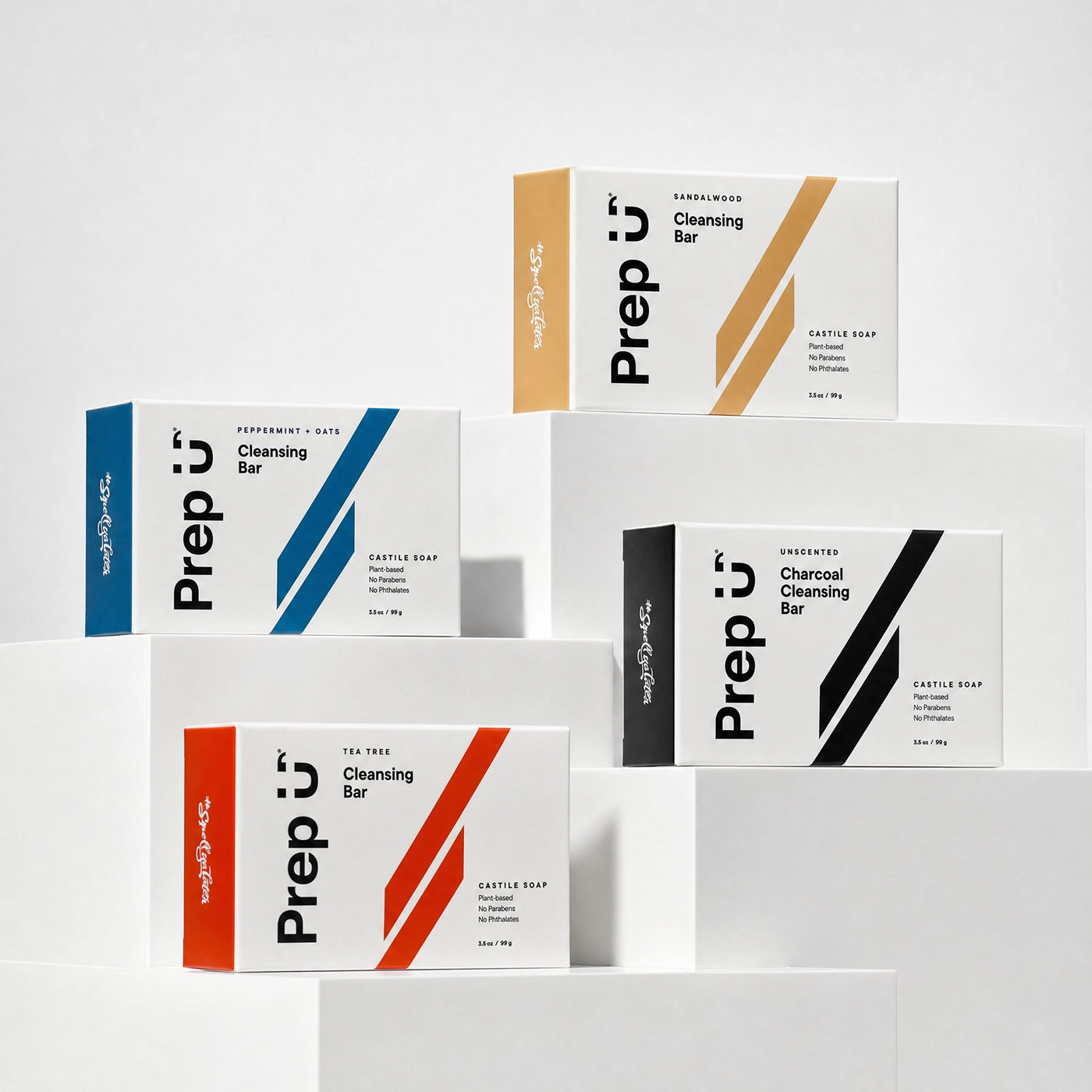
What Soap Actually Does for Teen Body Odor
Prep U is plant-based personal care for ages 8 and up, and the routine that clears body odor is short: wash daily with a bar that lifts sweat and oil off the skin, dry completely, then apply an aluminum-free deodorant. Teen odor develops on the surface, as sweat and sebum sit there through a school day, so a surface routine is what clears it. Last reviewed September 2026 by the Prep U team, who have been making plant-based personal care for ages 8 and up since 2017, before most brands in this space launched.
The Short Answer
- The best soap for body odor is a plain plant-based bar used daily and lathered directly into the underarms, groin, and feet. Prep U's Tea Tree Cleansing Bar is the everyday pick.
- Odor is a surface problem. Sweat leaves the skin nearly odorless; the smell develops as sweat and sebum sit on the surface through the day.
- Soap does one job: it lifts that sweat and oil off the skin and rinses it away. Drying off completely is the step most teens skip.
- A deodorant covers the rest of the day. An aluminum-free mineral formula changes surface conditions so odor is never produced.
- For fragrance-sensitive teens, the Unscented Charcoal Bar is SkinSAFE 100. The Tea Tree and Sandalwood bars are SkinSAFE Rated 91%. Every bar contains shea butter, and the Charcoal Bar also contains natural walnut hull powder, a tree nut derivative.
- Rashes, spreading patches, or itching that does not settle belong to a doctor, not a soap aisle. Shop Tea Tree Bar
Prep U's Tea Tree Castile Bar uses naturally derived ingredients that cleanse without stripping skin.
Contains shea butter. Read the full ingredient list before use if allergies are a factor.
What Is the Best Soap for Body Odor?
The best soap for body odor is a plain plant-based bar used every day and lathered directly into the underarms, groin, and feet, because odor comes from what sits on the skin surface. Sweat itself is nearly odorless. The smell develops from what forms as sweat and sebum sit on skin through a school day. A surfactant-based bar lifts that sweat and oil off the skin and rinses it down the drain, which is the whole job. What matters most is a bar a teen will actually reach for daily, worked into the odor-prone zones rather than rinsed past, followed by drying off completely. Tea tree is the scent most teens reach for here, and the bar adds one thing to the base: tea tree essential oil. Unscented charcoal is the alternative for teens who want zero fragrance, since activated charcoal adsorbs excess oil and surface grime. Soap handles what is already on the skin. A deodorant handles the rest of the day. Shop Tea Tree Bar.
How Do You Get Rid of Body Odor? The Two-Step Routine
Getting rid of body odor takes two steps done consistently: wash the sweat and oil off daily, then keep new odor from forming with a deodorant. Skipping either one is why odor comes back. Step one is the shower. Lather a bar directly in the underarms, groin, and feet rather than letting suds run past them, give it fifteen to twenty seconds, then rinse fully and dry completely, because damp skin is where odor restarts fastest. Step two is deodorant on dry skin, applied in the morning and again after practice if the day runs long. An aluminum-free mineral deodorant works by changing surface conditions so odor is never produced, rather than blocking sweat, which is the right approach for a body still going through puberty. Two supporting habits close the gap: change out of sweaty clothes instead of re-wearing them, and wash gym gear on a real schedule. Odor that persists through all of this is worth a conversation with a doctor. See the aluminum-free deodorant guide.
Why Does Sweat Start to Smell in the Teen Years?
Sweat starts to smell in the teen years because apocrine glands switch on during puberty, and the sweat they produce is richer than the watery sweat a younger child makes. Those glands are concentrated in the underarms, groin, and feet, which is exactly where teen odor shows up first. The American Academy of Pediatrics puts the usual onset as early as age 8 or 9, and describes the same mechanism: oil now comes out along with sweat, and bacteria living on the skin use those oils and release the extra smells (HealthyChildren.org, American Academy of Pediatrics). The AAP also singles out the armpits, feet and groin as the places to focus soap and water. That is why odor is a surface problem with a surface answer: lift the sweat and oil away before the day builds on them, and dry off so nothing sits damp under a shirt. Prep U makes personal care for ages 8 and up, which is the window when this actually starts.
Why Do I Still Smell After a Shower?
Smelling again soon after a shower usually means the sweat and oil were never fully lifted off the skin, or the skin went back under clothes before it was dry. Suds running past the underarms on the way down the body do very little; the bar has to be worked directly into the odor-prone zones and left there for fifteen to twenty seconds before rinsing. Damp skin is the second culprit, because moisture trapped under a shirt restarts the cycle within the hour. Three other things explain most repeat cases: re-wearing practice gear or a jacket that was never washed, applying deodorant onto skin that is still wet so it never adheres, and shoes worn without socks day after day. Fix those and the shower usually holds. Odor that persists through a consistent daily routine, or that changes noticeably, is worth raising with a doctor rather than solving with a stronger product. See the locker room hygiene routine.
What to Look for on a Bar Soap Label
For everyday washing, the label questions worth asking are short: what is the cleansing base, what is the scent source, and what is the format. A saponified plant-oil base cleans by lifting sweat and oil away and rinsing clean rather than leaving a film, and it does that job every day without a usage limit. The table below is the practical version.
| What to check | What to look for | Why it matters for a teen |
|---|---|---|
| Cleansing base | Saponified coconut, olive, castor, and shea oils | Lifts sweat and oil and rinses clean without leaving a film |
| Surfactants | Sulfate-free | Gentler on skin washed once or twice every day for years |
| Allergen screening | A published SkinSAFE rating | A rating you can look up rather than taking the label's word for it |
| Known allergens | The full ingredient list, read all the way down | Prep U's bars all contain shea butter, and the Unscented Charcoal Bar contains natural walnut hull powder, a tree nut derivative |
| Scent source | Named botanicals, or unscented if a teen is fragrance-sensitive | Lets you match the bar to the kid rather than the marketing |
| Format | Solid bar | Will not spill in a gym bag, and a 3-pack covers a season |
Bar Soap or Body Wash: Which One Actually Works?
Both work when they are used the same way, so the better choice is the one a teen will actually lather into the odor-prone zones every day. Bar soap has two practical advantages: it will not leak in a gym bag, and a multi-pack covers a whole sports season without a mid-season reorder. Body wash is easier to use with a loofah, spreads faster over a big surface area, and some teens simply prefer it, which matters more than any ingredient argument if it is the difference between showering properly and not. Technique beats format either way. The zones that need attention are the underarms, groin, and feet, and they need direct contact rather than runoff. Whichever format wins in your house, pair it with drying off completely and an aluminum-free deodorant on dry skin. Compare the body wash options for teens.
What Does Tea Tree Soap Do for Teen Skin?
Tea tree soap cleanses teen skin with pure tea tree essential oil (Melaleuca alternifolia) on a saponified plant-oil base. The bar cuts surface buildup and rinses clean without leaving a film behind. That is a cosmetic cleansing job, not a treatment, and it is the honest version of what a bar of soap does. The practical appeal is that it can be used every single day, morning and after practice, with no usage limit and no routine to remember. Prep U's Tea Tree Cleansing Bar is castile-based and SkinSAFE Rated 91%. Teens who are fragrance-sensitive, or who simply do not want a scented bar, are better served by the Unscented Charcoal Bar, which is SkinSAFE 100. Worth knowing before you switch: that bar contains natural walnut hull powder, a tree nut derivative, and every Prep U bar contains shea butter. Shop Tea Tree Bar.
What Makes a Plant-Based Bar Work for Everyday Use?
A plant-based bar works through cleansing and botanical ingredients, which is what makes it suitable for daily use on skin that is still developing. The saponified plant-oil base does the lifting: sweat, oil, and everyday grime come off the surface and rinse away. Tea tree essential oil (Melaleuca alternifolia) is the single addition to the base in Prep U's Tea Tree Cleansing Bar. Activated charcoal works differently, by adsorption. The activated charcoal in Prep U's Unscented Charcoal Bar draws excess oil and surface grime off the skin, which suits oily skin and fragrance-sensitive teens. The Peppermint + Oats bar adds peppermint essential oil and finely milled oats, which is the one Prep U bar with any texture to it. Every Prep U bar is hand-made in small batches, cold-process, and cured for weeks. These are ingredient descriptions, not efficacy claims, which is the point: a bar built for consistent everyday use.
How to Match the Bar to the Actual Problem
Start with the concern, then match the bar. If it is daily body odor after practice, a tea tree castile bar is the straightforward pick and travels well. Want no fragrance at all? The Unscented Charcoal Bar has no fragrance of any kind and is the only bar we make rated SkinSAFE 100, though it does contain natural walnut hull powder, a tree nut derivative, so read the label first if nut allergies are a factor at home. If a kid is new to washing properly and needs something that simply gets used, pick the scent they like, because the bar that stays in the shower is the one that works. For general hygiene around a sport, pair a daily bar with an aluminum-free deodorant and add a talc-free body powder for moisture in friction zones. Anything that looks like a rash, a spreading patch, or persistent itching is a conversation with a doctor rather than a soap decision. Shop Prep U's Tea Tree Bar.
How Often Should a Teen Shower to Stay Ahead of Odor?
Once a day is the baseline, plus a rinse on any day with practice or a game, which lines up with the American Academy of Pediatrics guidance to shower daily or every other day once body odor starts, and daily for kids who are very active or in sports. Odor builds while sweat sits on skin, so timing matters more than raw frequency: a shower within a couple of hours of practice does far more than one the next morning. Over-washing with harsh, stripping products is the opposite failure mode, and it leaves teen skin tight and irritated, which is why a gentle sulfate-free bar is the better everyday choice than something aggressive. The other half of the schedule is laundry. Practice gear, socks, and towels hold onto odor and hand it straight back, so a routine that washes gear on the same rhythm as the kid is doing half the work. Two showers a day is fine in a heavy training season as long as the soap is gentle.
Back-to-School Locker Room Hygiene: What to Send in August
August is when shared showers, shared floors, and daily practice gear all restart at once, so the soap question becomes a locker room question. What a kid needs in the bag is small: a bar that travels without leaking, a pair of shower shoes for shared floors, an aluminum-free deodorant, and a towel that actually gets washed. A bar has a practical edge over a bottle here, since it will not spill in a gym bag and a 3-pack covers a full season without a mid-season reorder. Build the routine before the season starts rather than after the first complaint: shower the same day as practice, dry completely including between the toes, change out of damp gear immediately, and rotate socks daily. Those habits handle the ordinary odor and moisture side of a sports season. Anything on the skin that looks unusual or is not clearing is a doctor visit, not a product upgrade. See the full locker room hygiene guide.
When to Stop Shopping and Call a Doctor
Soap is a hygiene product, so there is a clear line where shopping stops and a clinician starts. Anything that looks like a rash, a patch that spreads, skin that is broken, cracked, weeping, or painful, or itching that does not settle, belongs to a doctor rather than a shower shelf. The American Academy of Pediatrics also says to call the pediatrician about constant or excessive sweating, about sweating that is affecting a kid's mental health or social life, and about body odor or other puberty changes that start before age 8. The same is true for odor that continues through a genuinely consistent daily routine, or that changes character noticeably. Nothing on this page is medical advice and no bar of soap is a remedy for a skin condition. Prep U makes everyday personal care for ages 8 and up: bars, body wash, deodorant, and powder for the ordinary business of getting clean after a practice. Last reviewed September 2026 by the Prep U team.
Why Prep U
What Makes Prep U Different
Tea Tree, the Daily Bar
One thing is added to the castile base: pure tea tree essential oil (Melaleuca alternifolia). Use it morning and after practice, every day, with no usage limit.
Charcoal Adsorbs Surface Oil
Activated charcoal and natural walnut hull powder are the only additions to the base. The charcoal adsorbs excess oil and everyday grime from the skin surface. Adsorption draws buildup onto the charcoal rather than acting on the skin. Walnut hull powder is a tree nut derivative.
Plant-Based Castile Base
Saponified plant oils (coconut, olive, castor, shea) form the cleansing base for all Prep U bars. Sulfate-free and paraben-free, so it rinses clean without leaving a film. Every bar contains shea butter.
SkinSAFE Rated
The Tea Tree and Sandalwood bars are SkinSAFE Rated 91%. The Unscented Charcoal Bar is SkinSAFE 100. A SkinSAFE score reports how a formula scored against a screening panel. Read the full ingredient list yourself if allergies are a factor at home.
Made for Ages 8 and Up Since 2017
Prep U has been making personal care for ages 8 and up since 2017. The bars are chosen for how a kid actually gets dirty: practice, shared showers, and a wash that has to be gentle enough to repeat every single day.
Prep U Picks
Choose the Right Prep U Bar Soap

Tea Tree Cleansing Bar
SkinSAFE Rated 91% * 3.5 oz * $9.00
- Pure tea tree essential oil, plant-based
- Castile soap base, sulfate-free
- SkinSAFE Rated 91%. Contains shea butter.

Tea Tree Bar 3-Pack
3 bars * $24.00 * $8.00 per bar
- 3 bars, covers a full sports season
- $24.00 for the pack, $8.00 per bar
- Same Tea Tree Cleansing Bar, SkinSAFE Rated 91%

Unscented Charcoal Bar
SkinSAFE 100 * Unscented * 3.5 oz * $9.00
- Activated charcoal and natural walnut hull powder, a tree nut derivative
- Unscented, no added fragrance
- SkinSAFE 100. Contains shea butter.
Frequently Asked Questions
What soap is best for body odor?
Prep U's Tea Tree Cleansing Bar is the everyday pick for body odor: a plant-based castile bar, lathered directly into the underarms, groin, and feet for fifteen to twenty seconds, then rinsed and dried off completely. Odor develops from sweat and oil sitting on the skin surface, so lifting it away is the whole job. It is SkinSAFE Rated 91%. Unscented charcoal suits teens who want no fragrance at all.
What is the best bar soap for body odor?
A castile bar with tea tree oil is one of the strongest bar soap picks for teen body odor. The saponified plant-oil base lifts sweat and oil off the skin and rinses them away without leaving a film, and it can be used every day with no limit. Bars also travel well in a gym bag, with nothing to leak. Pair it with an aluminum-free deodorant applied to dry skin.
Is bar soap or body wash better for body odor?
Both work when used the same way, so the better choice is whichever one a teen will actually lather into the odor-prone zones daily. Bar soap will not spill in a gym bag and a multi-pack covers a whole sports season. Body wash spreads faster and is easier with a loofah. Technique matters far more than format: direct contact with the underarms, groin, and feet is what counts.
Why do I still smell after showering?
Usually the sweat and oil were not fully lifted off the skin, or clothes went on before the skin was dry. Suds running past the underarms do very little; the bar needs fifteen to twenty seconds worked directly into the area. Damp skin under a shirt restarts odor within the hour. Re-worn practice gear and deodorant applied to wet skin explain most of the rest.
What is the best soap for teenage body odor?
A castile bar with tea tree oil is one of the strongest everyday options for teen body odor. Lathered directly in the underarms, groin, and feet, it lifts the sweat and oil that odor develops from and rinses them away. Pair it with an aluminum-free mineral deodorant, which changes surface conditions so odor is never produced through the school day and after practice.
Why does my teen suddenly smell different?
Apocrine glands switch on during puberty, and the sweat they produce is richer than the watery sweat a younger child makes. The American Academy of Pediatrics puts the usual onset as early as age 8 or 9. The sweat leaves the skin close to odorless; the smell develops as it and the skin's own sebum sit on the surface through a day. It is a normal developmental change, and the answer is a daily washing routine rather than a stronger product.
How often should a teen shower to stay ahead of body odor?
Once a day is the baseline, plus a rinse on any day with practice or a game. The American Academy of Pediatrics suggests showering daily or every other day once body odor starts, and daily for kids who are very active or in sports. Odor builds while sweat sits on skin, so a shower within a couple of hours of practice does more than one the next morning. Over-washing with harsh products leaves skin tight and irritated.
What does tea tree soap do for teen skin?
Tea tree soap cleanses teen skin with pure tea tree essential oil (Melaleuca alternifolia) on a saponified plant-oil base. It cuts surface buildup and rinses clean without leaving a film. That is a cosmetic cleansing job. It can be used every day, morning and after practice, with no usage limit.
Is charcoal soap good for oily teen skin?
Charcoal soap suits oily skin because activated charcoal adsorbs excess oil and surface grime, leaving skin cleaner after each wash. Adsorption draws buildup onto the charcoal's high surface area rather than acting on the skin. The bar adds only two things to the base: activated charcoal and natural walnut hull powder, which is a tree nut derivative. Prep U's Unscented Charcoal Bar is fragrance-free and SkinSAFE 100.
What soap should teens use after sports practice?
Shower the same day with a plant-based bar, lathering the underarms, groin, and feet where odor concentrates, then dry completely and apply an aluminum-free mineral deodorant. A tea tree castile bar is a strong pick because it travels well in a gym bag and works for daily use. Change out of damp gear straight away rather than re-wearing it.
What should a teen pack for locker room showers?
A bar soap that will not spill in a gym bag, shower shoes for shared floors, a towel that gets washed regularly, an aluminum-free deodorant, and clean socks for the trip home. Shower shoes matter on shared floors. A 3-pack of bar soap is $24.00, works out to $8.00 a bar, and covers a full sports season without a mid-season reorder.
Does soap alone stop body odor all day?
Soap handles what is already on the skin; it does not cover the rest of the day. Washing lifts sweat and oil away in the shower, then a deodorant takes over: an aluminum-free mineral formula changes surface conditions so odor is never produced. The two work together rather than in place of each other, which is why a teen who showers but skips deodorant still smells by sixth period.
Is bar soap harsh on teen skin?
It depends entirely on the base. A saponified plant-oil bar with no sulfates cleans by lifting sweat and oil away and rinsing clean, which is gentle enough for skin washed once or twice a day for years. Harsh, stripping formulas are the ones that leave skin tight. Prep U bars are sulfate-free and paraben-free, and the Tea Tree and Sandalwood bars are SkinSAFE Rated 91%.
What is a castile soap bar?
A castile bar is soap made from saponified plant oils rather than animal fats or synthetic detergents. Prep U's bars use a coconut, olive, castor, and shea oil base, so every bar contains shea butter. The practical result for a teen is a bar that lifts sweat and oil off the skin and rinses clean without leaving a film, in a solid format that survives a gym bag with nothing to leak.
At what age should a kid start using body soap for odor?
Usually when odor first shows up. The American Academy of Pediatrics says every child gets some body odor as puberty begins, often as early as age 8 or 9, and suggests calling a pediatrician if it starts before age 8. There is no single right age. Prep U makes personal care for ages 8 and up, which is the window when this typically starts. The routine matters more than the timing.
When should a teen see a doctor instead of switching soap?
Anything that looks like a rash, a patch that spreads, skin that is broken, cracked, or painful, or itching that does not settle belongs to a doctor rather than a shower shelf. The American Academy of Pediatrics also flags constant or excessive sweating, and sweating that affects a kid's mental health or social life. The same goes for odor that continues through a genuinely consistent daily routine.