
Bar Soap Face Washing Guide
How to Wash Your Face With Bar Soap
A castile bar cleanses teen facial skin without stripping it, as long as you use it correctly. Here is the technique, the frequency, and the bar matched to your skin type.
Shop Bar Soaps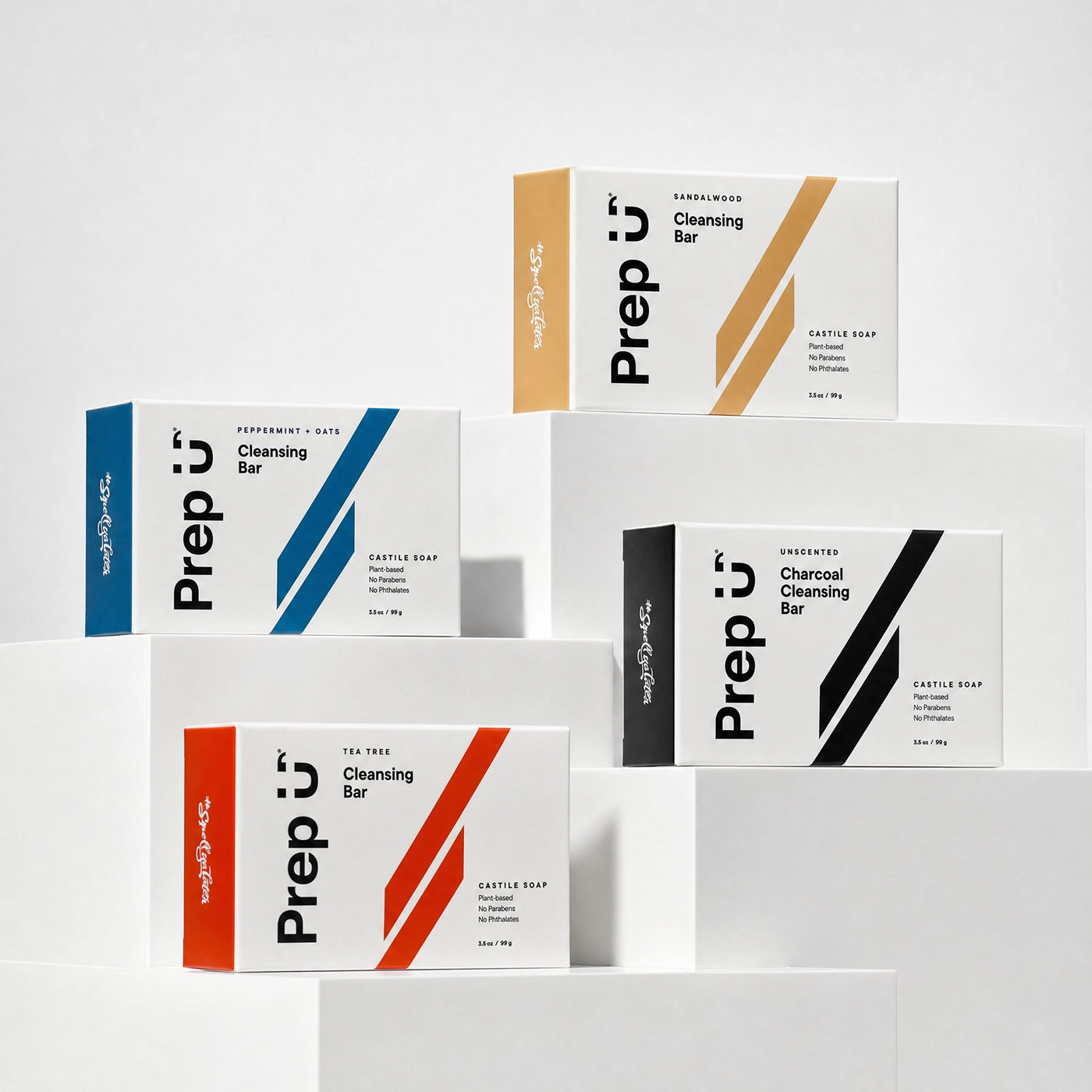
How to Wash Your Face With Bar Soap: A Step-by-Step Guide for Teen Skin
To wash your face with bar soap, lather a castile bar between your palms, massage it onto damp skin in circles for about 30 seconds, then rinse fully with cool water and pat dry. A castile bar matched to your skin type cleans teen facial skin without stripping it. Unlike adult brands writing about teen hygiene, Prep U was built exclusively for this age group from day one and has been making personal care for ages 8 and up since 2017. Last reviewed September 2026 by the Prep U team.
The Short Answer
- Lather the bar between your palms first. Never rub the bar directly on your face.
- Apply with fingertips in gentle circular motions for about 30 seconds.
- Rinse for 20 to 30 seconds with cool or lukewarm water until no slip remains, then pat dry.
- Use a castile bar (saponified plant oils) rather than a standard body bar. The base matters more than the shape.
- Twice a day is the right frequency. Add a third wash only after sports.
- Match the bar to skin type: tea tree for oily or breakout-prone, peppermint and oats for combination, unscented charcoal for sensitive or congested.
Wash Your Face in Four Steps
Four steps cover the whole routine: wet, lather in your palms, apply in circles for 30 seconds, rinse fully with cool water. First, splash your face with lukewarm water for 15 to 20 seconds to soften skin and loosen surface oil. Second, work a full lather between your palms before anything touches your face. Third, apply the lather with your fingertips in gentle circular motions, starting at the center of the face and working outward toward the hairline and jaw. Spend about 30 seconds here. Fourth, rinse with cool or lukewarm water until no slip remains, then pat dry with a clean towel instead of scrubbing. The whole routine takes under two minutes.
What Makes a Bar Right for a Teen's Face
A bar works on a teen's face when it is castile or plant-oil based rather than a standard body bar. Castile means saponified plant oils: coconut, olive, castor and shea butter, listed by name on the panel. Conventional body bars lean on synthetic detergents built to cut oil on shoulders and backs, which is more cleansing than a face needs twice a day. The natural glycerin that stays in a cold-process bar is a humectant, so it draws moisture toward the skin surface while you wash. Prep U has been making personal care for ages 8 and up since 2017, and the bars are made for how teens actually wash: fast, in the shower, usually without a second product afterward.
What a Cleansing Bar Is, and What It Is Used For
A cleansing bar is a facial cleanser in bar form: it does the job a bottle of face wash does, as a solid, with no water, no pump and no plastic. It is used on the face and neck, and in most cases on the body as well. How it differs from ordinary soap. Soap is a specific chemical result: fats saponified with an alkali. A cleansing bar can be that, or it can be a syndet bar built from synthetic surfactants and pressed into a bar shape. Prep U bars are the first kind. Coconut, olive and castor oils plus shea butter, saponified in spring water by a cold-process method, hand-made in small batches and cured for weeks. What it is used for, in practice. Washing the face morning and night. Washing the back, chest and shoulders, where a bar covers far more ground than a facial cleanser and costs less per wash. Travel and gym bags, because there is nothing in it to leak. And hands, since a bar at a sink is still a bar at a sink. What it is not. Not an exfoliant, not a treatment, not a shampoo. A cleansing bar lifts the oil, sweat and surface buildup sitting on skin and rinses it away. Anything sold as doing more than that is either a drug product or overstating itself. Why choose the format at all. No water in the formula means no preservative system is needed and no bottle gets thrown away. A 3.5 oz Prep U bar is $9.00, or $8.00 a bar in a 3-pack, and lasts most teens about a month of daily face and body use, which is where the bar wins on cost.
Is It Bad to Use Bar Soap on Your Face?
Washing your face with bar soap is not bad. Washing your face with the wrong bar is. The complaint traces back to conventional deodorant and body bars, which lean on synthetic detergents such as sodium lauryl sulfate to strip oil aggressively and typically run well above the skin's natural surface acidity. That combination does leave skin tight and flaky. A cold-process castile bar is a different product category: named plant oils instead of a blanket Fragrance listing, natural glycerin retained through cold process, no sulfates. Judge the bar, not the format. If a teen's face feels clean and neutral ten minutes after rinsing, the bar is working. If it feels taut or stings, the formula or the frequency is wrong.
Where the Warnings Actually Come From
The advice against bar soap comes from three real problems, and all three belong to conventional detergent bars rather than castile bars. First, surface alkalinity: most supermarket bars sit well above the skin's acid mantle, which temporarily weakens the barrier. Second, synthetic detergents such as sodium lauryl sulfate, which remove more oil than facial skin can replace. Third, soap scum: conventional bars react with hard-water minerals and leave a waxy film that thorough rinsing removes but most people skip. None of these is inherent to a bar shape. Swap in a cold-process castile bar, rinse properly, and the three objections largely disappear.
Lather in Your Hands, Never on Your Face
Always use the lather. Work the bar between wet palms until you have a full lather, then apply that lather to your face with your fingertips. Rubbing the bar directly across facial skin applies uneven pressure over the cheekbones, nose and jaw, deposits far more soap than the face needs in a few spots, and transfers whatever has collected on the bar surface between uses. Lathering in the hands solves all three at once: even distribution, controlled dose, and a cleaner application. It also lets you feel how much product you are actually using, which is usually less than teens expect.
Thirty Seconds to Wash, Thirty to Rinse
About 30 seconds of lather contact, followed by 20 to 30 seconds of rinsing. Thirty seconds is long enough for the cleanser to lift sebum, sweat and daily buildup off the skin surface. Going much past 60 seconds does not clean more, it simply extends contact time with a surfactant on delicate facial skin. The rinse is the part most teens shortchange. Keep rinsing until the skin feels smooth rather than slippery: leftover soap film is the most common cause of the residue and congestion people blame on the bar itself. Total time at the sink, start to towel, should land under two minutes.
How Often a Teen Should Wash
Twice a day is right for most teens: once in the morning, once before bed. The American Academy of Pediatrics gives the same guidance for teen skin, recommending a gentle cleanser or soap with warm water twice daily and no harsh or gritty scrubs (HealthyChildren.org). Teens with oily or breakout-prone skin can add a third wash after sports, and three a day is the practical ceiling before over-washing starts working against them. Skin produces sebum to maintain its protective barrier, and removing that oil faster than it replenishes can push the oil glands into overproduction. Morning washing clears overnight buildup, evening washing removes the day's sweat and grime. If skin feels tight or flaky, adjust frequency first and the bar second.
Does It Dry Skin Out?
A bar dries out teen skin only when the formula is a harsh detergent bar or the teen is over-washing. A castile bar built on saponified plant oils keeps its natural glycerin through cold process, and glycerin is a humectant that pulls moisture toward the skin surface. Hot water is the other common culprit: it removes surface oils faster than cool or lukewarm water does. The test is simple. Wash, rinse, wait ten minutes, then check. Clean and neutral means the bar fits. Tight, itchy or flaky means a formula mismatch or too many washes. For a foaming alternative, see the face wash guide for teen boys.
Which Prep U Bar for Which Skin Type
For oily or breakout-prone teen skin, use the Tea Tree Cleansing Castile Bar. For combination or normal skin, use the Peppermint + Oats Cleansing Bar, which carries finely milled oats for a light daily polish. For sensitive or congested skin, use the Unscented Charcoal Bar: it has no fragrance of any kind and is the only bar Prep U makes rated SkinSAFE 100. One thing to know before choosing it: the Unscented Charcoal Bar contains natural walnut hull powder, a tree nut derivative, and every Prep U bar contains shea butter. If a tree nut allergy is in play at home, that is not the bar to start with. More detail sits on the Prep U bar soap hub.
Which Bar Soap to Buy First
Start with the Tea Tree Cleansing Castile Bar if the complaint is shine by lunchtime or breakouts along the forehead and nose. It is the strongest botanical in the bar line and the one most teens with oily skin land on. Choose the Peppermint + Oats Cleansing Bar if skin sits somewhere in the middle and the goal is a daily bar that does not feel like a treatment: milled oats give a light polish, and the peppermint finishes cool, which teens tend to like after sport. Choose the Unscented Charcoal Bar if anything scented has caused trouble before. All three are 3.5 oz and share the same castile base. The two scented bars are SkinSAFE Rated 91%, and the unscented is SkinSAFE 100.
Reading the Label Before You Buy
Read the ingredient panel, not the front of the box. Bar soaps sold for washing fall into three broad groups. True soaps list saponified plant or animal fats near the top of the panel, which is what a castile bar is. Synthetic detergent bars, often sold as beauty or moisturizing bars, are built from surfactants rather than saponified oils and say so on the panel. Heavily scented and deodorant bars carry the largest fragrance load of the three, and fragrance load is the most common source of trouble on reactive facial skin. Two signals tell you what you are holding in about five seconds: named plant oils near the top, and no blanket Fragrance listing. Compare the lineup on the Prep U cleansing bar comparison.
How to Store It Between Washes
Store the bar where it can dry between washes and it stays perfectly fine for facial use. Organisms can sit on a wet bar surface, but published testing has repeatedly found they are not meaningfully transferred to skin during normal use, because the lather and rinse carry them away. Two habits close the gap completely: lather in your hands rather than rubbing the bar on your face, and keep the bar on a draining dish instead of a pooled puddle in the shower corner. A bar that dries between uses also holds its glycerin longer and lasts noticeably longer than one sitting in water. In a shared bathroom, give each person their own bar.
Signs It Is Too Harsh for Your Skin
After rinsing, skin should feel clean but not tight. Dryness, tautness or slight stinging means the bar is too harsh for facial use. Other signals: flaking within an hour of washing, an overly stripped shine right after the wash, or a cluster of small new breakouts, which suggests the barrier has been disrupted. A harsh bar usually has one of four traits: high surface alkalinity, a heavy synthetic fragrance load, a detergent base rather than true soap, or an old dried-out bar that has lost its glycerin. Switching to a plant-oil castile bar generally resolves these signs within one to two weeks of consistent use. Last reviewed September 2026 by the Prep U team.
Why Prep U
What Makes Prep U Different
Tea Tree, the Strongest Botanical in the Line
Pure tea tree essential oil and nothing else added to the castile base. It is the bar most teens with oily or breakout-prone skin start with, and it works as a daily face bar rather than a spot treatment.
Milled Oats for a Light Polish
Finely milled oats in the Peppermint + Oats Bar give a gentle daily polish without the abrasion of a physical scrub, and the peppermint finishes cool.
Charcoal Draws Out Surface Oil
Activated charcoal in the Unscented Charcoal Bar adsorbs excess surface oil and everyday grime. No added fragrance of any kind, so it suits reactive or fragrance-sensitive skin.
SkinSAFE Rated 91% and SkinSAFE 100
The Tea Tree and Peppermint + Oats bars are SkinSAFE Rated 91%. The Unscented Charcoal Bar is SkinSAFE 100, the only bar in the line that holds it.
Castile Base, Named Oils
Saponified coconut, olive and castor oils plus shea butter form the cleansing base, with natural glycerin retained in every bar. No synthetic detergents, no sulfates, no parabens.
Prep U Picks
Choose the Right Prep U Bar Soap

Tea Tree Cleansing Castile Bar
SkinSAFE Rated 91% | Tea Tree Botanical | Best for Oily and Breakout-Prone Teen Skin
- Pure tea tree essential oil in a castile base, with nothing else added
- Saponified coconut, olive and castor oils plus shea butter, with natural glycerin retained
- The pick for shine by lunchtime, breakouts along the forehead and nose, and post-sport washing
- No synthetic fragrance, SkinSAFE Rated 91%

Peppermint + Oats Cleansing Soap Bar
SkinSAFE Rated 91% | Gentle Daily Polish | Best for Combination and Normal Teen Skin
- Finely milled oats for a light daily polish without the abrasion of a scrub
- Peppermint essential oil, with a cooling finish teens tend to like after sport
- The everyday bar for skin that sits somewhere in the middle
- SkinSAFE Rated 91%, no synthetic fragrance

Unscented Charcoal Bar
SkinSAFE 100 | Zero Fragrance | Best for Sensitive and Congested Teen Skin
- Activated charcoal adsorbs excess surface oil and everyday grime
- Zero added fragrance of any kind, so it suits reactive or fragrance-sensitive skin
- Also contains natural walnut hull powder, a tree nut derivative. Every Prep U bar contains shea butter.
- SkinSAFE 100, the only Prep U bar that holds it, with no parabens and no synthetic fragrance
Frequently Asked Questions
How do you wash your face properly with bar soap?
Wet your face with lukewarm water, work a full lather between your palms, apply the lather in gentle circular motions for 30 seconds, then rinse fully with cool water. Never rub the bar directly on your face. Pat dry with a clean towel. Use a castile bar matched to your skin type: tea tree for oily or breakout-prone, peppermint and oats for combination, unscented charcoal for sensitive skin.
Is it bad to wash your face with bar soap?
No, as long as the bar is right. The warnings come from conventional body and deodorant bars, which run well above the skin's natural surface acidity and use synthetic detergents that strip more oil than facial skin can replace. A cold-process castile bar keeps its natural glycerin and uses no sulfates. If your face feels clean and neutral ten minutes after rinsing, the bar is fine. If it feels tight, change the bar or the frequency.
Why do people say you shouldn't wash your face with bar soap?
Three real problems, all belonging to conventional detergent bars: high surface alkalinity against the skin's acid mantle, synthetic detergents such as sodium lauryl sulfate that over-strip facial oil, and soap scum left by hard water. None of the three is inherent to the bar format. A cold-process castile bar with thorough rinsing avoids all of them.
Should you rub the bar on your face or use the lather?
Use the lather. Work the bar between wet palms until you have a full lather, then apply it with your fingertips. Rubbing the bar directly on your face applies uneven pressure, deposits far more soap than needed in a few spots, and transfers whatever has collected on the bar surface. Lathering in your hands gives even coverage and a controlled dose.
How long should you wash your face with bar soap?
About 30 seconds of lather contact, then 20 to 30 seconds of rinsing. Thirty seconds is enough to lift sebum, sweat and daily buildup. Going past 60 seconds does not clean better, it just extends surfactant contact on delicate skin. Keep rinsing until skin feels smooth rather than slippery, since leftover film causes most of the congestion people blame on the bar.
Is bar soap good for washing teen faces?
Yes, when it is a castile or plant-oil based bar rather than a standard body soap. Castile bars use saponified plant oils such as coconut, olive, castor and shea butter, and keep their natural glycerin as a humectant. They clean effectively without the synthetic detergents in body bars that are more likely to leave facial skin tight. Matching the formula to the skin type is the key step.
How often should teens wash their face with bar soap?
Twice a day for most teens, morning and before bed. The American Academy of Pediatrics recommends washing teen skin twice daily with a gentle cleanser or soap and warm water. Teens with oily or breakout-prone skin can add a third wash after sports, but more than three washes a day strips the barrier and can trigger rebound oil production. If skin feels tight or flaky after washing, reduce frequency before changing the bar.
What is the best bar soap for washing a teen's face?
It depends on skin type. For oily or breakout-prone skin, the Tea Tree Cleansing Castile Bar, the strongest botanical in the Prep U bar line. For combination or normal skin, the Peppermint + Oats Cleansing Bar for a light daily polish from milled oats. For sensitive or congested skin, the Unscented Charcoal Bar, which adsorbs surface oil with zero added fragrance. All three use the same castile plant-oil base.
Does bar soap dry out teen skin?
Only if the formula is a harsh detergent bar or the teen is over-washing. A castile bar keeps its natural glycerin through cold process, and glycerin is a humectant that draws moisture toward the skin surface. If dryness shows up, check water temperature and washing frequency first: hot water and more than three washes a day are the usual causes.
Can you wash your face with Dove, Irish Spring, or Dr. Squatch bar soap?
It depends on the formula, not the brand name. Bar soaps fall into three groups: true soaps made from saponified plant or animal fats, synthetic detergent bars built from surfactants, and heavily scented bars carrying a large fragrance load. A castile bar sits in the first group. Read the panel on whatever you are holding. Named plant oils near the top and no blanket Fragrance listing is the signal you want, since fragrance load is the most common source of trouble on reactive facial skin.
Is bar soap sanitary to use on your face?
Yes, when it is stored so it can dry between washes. Organisms can sit on a wet bar surface, but testing has repeatedly shown they are not meaningfully transferred to skin during normal use, since the lather and rinse carry them away. Lather in your hands rather than on your face, keep the bar on a draining dish, and give each person in a shared bathroom their own bar.
What water temperature should you use to wash your face with bar soap?
Lukewarm to wet the face, cool to lukewarm to rinse. Lukewarm water softens skin and loosens surface oil so the lather can work. Hot water removes surface oils faster than skin replaces them and is a frequent cause of post-wash tightness. Cold water alone does not activate the lather well. Finishing the rinse on the cooler side leaves skin feeling calm rather than stripped.
Can teens use bar soap instead of face wash?
Yes. A castile bar can be a teen's primary facial cleanser. The plant-oil base and retained glycerin make it appropriate for twice-daily use, and a targeted botanical such as tea tree, peppermint or charcoal addresses a specific concern at the same time. A dedicated foaming face wash gives more formula control for reactive skin. The best format is the one a teen will actually use consistently.
What bar soap is best for teen breakout-prone skin?
The Tea Tree Cleansing Castile Bar is the strongest botanical option in the Prep U line. The Unscented Charcoal Bar is a good complement, using activated charcoal to adsorb excess sebum and surface grime from congested pores. Neither bar makes an acne claim. Both support the daily cleansing routine that keeps pores cleaner over time. Note that the Unscented Charcoal Bar contains natural walnut hull powder, a tree nut derivative.
Can teens wash their face with bar soap every day?
Yes. Twice daily is appropriate for most teen skin types when the bar is castile and matched to their skin. A cold-process castile bar keeps its natural glycerin and uses no sulfates, which makes it suitable for daily use. Oily or breakout-prone teens can add a post-sport wash on active days.
Can washing your face with bar soap cause pimples or breakouts?
Only when the bar uses harsh synthetic detergents that strip the skin barrier, or when soap is left on the skin. Stripping the barrier pushes oil glands to overproduce sebum, which creates the conditions where pores clog. Leftover soap film adds to it. A castile bar with retained glycerin plus a thorough rinse addresses both. Neither bar makes an acne claim, but both support a cleaner daily routine.
What is a cleansing bar used for?
A cleansing bar is used to wash the face, neck and body. It is a facial cleanser in solid form: lather it between your palms, work the lather onto damp skin for about 30 seconds, then rinse. A cold-process castile bar also covers the back, chest and shoulders, where a bar goes further than a bottle of facial cleanser and costs less per wash. It is not an exfoliant, a treatment or a shampoo.