
Natural Castile Base. Tea Tree Oil. No Synthetic Fragrance.
Tea Tree Soap That Actually Does Something
Prep U's Tea Tree Cleansing Castile Bar uses real tea tree oil in a cold-processed castile base — no sulfates, no synthetic fragrance, no shortcuts.
Shop Bar Soap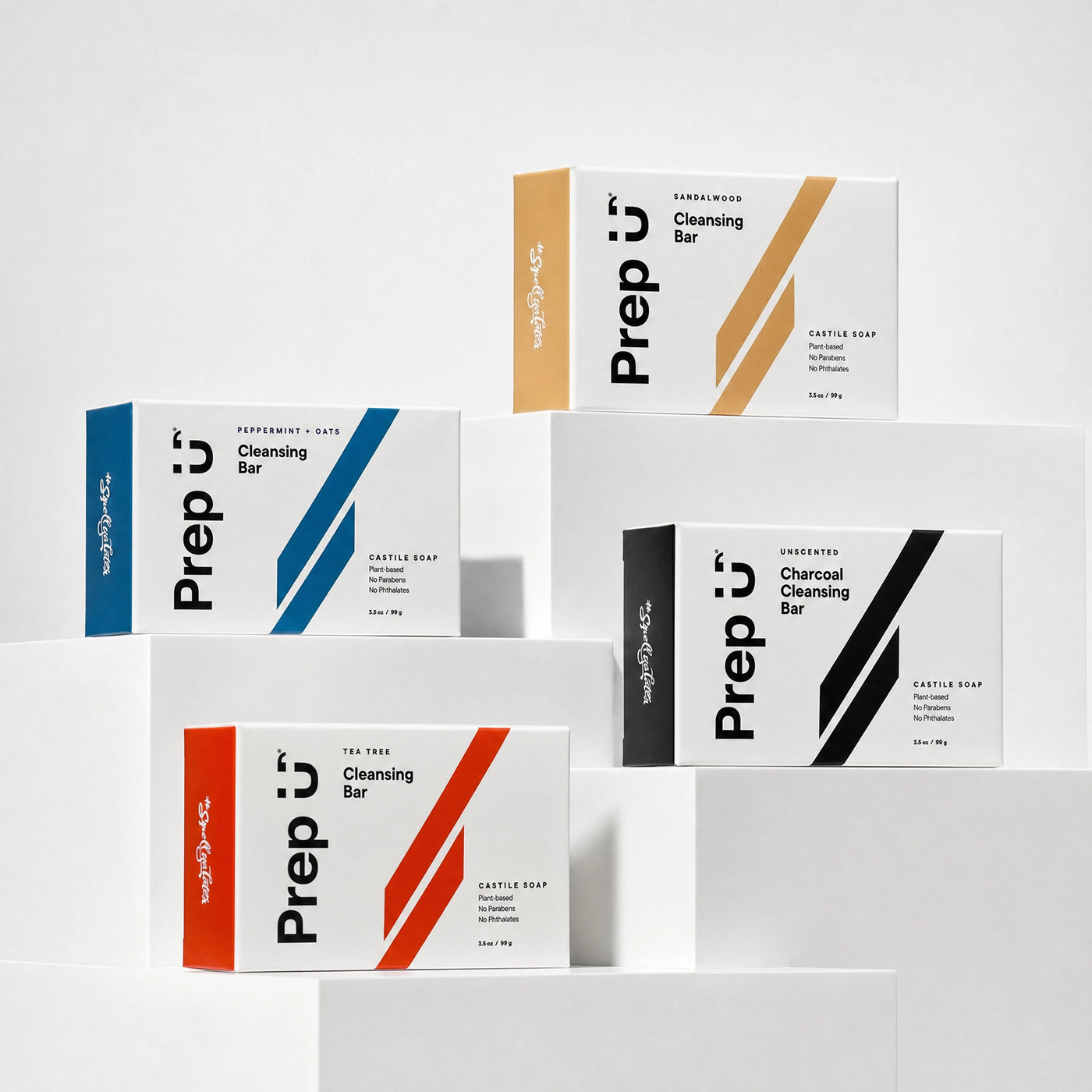
Tea Tree Soap: What It Is, What It Does & Why It Works
Tea tree soap uses natural tea tree oil — a proven antibacterial and antifungal botanical — to cleanse skin, neutralize odor-causing bacteria, and reduce surface inflammation without synthetic chemicals.
The Short Answer
- Tea tree oil (melaleuca alternifolia) is a natural antibacterial and antifungal ingredient sourced from Australia.
- Tea tree soap cleanses deeper than standard bar soap by targeting the bacteria and fungi that cause odor, breakouts, and post-workout skin issues.
- A castile base matters — it preserves natural glycerin and avoids the sulfates and synthetic detergents that strip skin.
- Best for athletes, teens, and anyone dealing with body odor, post-workout skin buildup, or acne-prone skin.
- Prep U's Tea Tree Cleansing Castile Bar is SkinSAFE rated — formulated without the most common skin allergens.
What Is Tea Tree Soap?
Tea tree soap is a bar or liquid cleanser made with tea tree oil (melaleuca alternifolia), an essential oil derived from the leaves of the Melaleuca alternifolia tree native to Australia. Tea tree oil has been used for centuries for its natural antibacterial, antifungal, and anti-inflammatory properties. In soap form, tea tree oil is combined with a carrier base — the quality of that base makes a significant difference. Synthetic detergent bases (common in drugstore bar soaps) strip the skin's natural oils. A cold-processed castile base, by contrast, retains natural glycerin, cleanses without over-drying, and lets the tea tree oil do its job without harsh chemical interference.
How Tea Tree Oil Works in Soap
Tea tree oil's active compounds — primarily terpinen-4-ol — disrupt the cell membranes of bacteria and fungi on contact. This makes it effective at reducing odor-causing bacteria (the bacteria responsible for that post-workout smell), addressing surface fungal concerns common among athletes, and calming minor skin inflammation after heavy activity. In a castile soap base, these compounds are delivered in a pH-balanced environment that works with skin rather than against it. No synthetic fragrance is needed — tea tree oil has a clean, natural scent on its own.
Who Benefits Most from Tea Tree Soap?
Tea tree soap is especially useful for athletes and active teens who deal with heavy sweat, shared equipment, and locker room environments. High-sweat activity creates conditions where bacteria and fungi thrive — on skin, in gear, and on shared surfaces. Using a tea tree bar post-workout addresses that bacterial load directly. It's also a strong choice for anyone with acne-prone or oily skin. The antibacterial action helps reduce the surface bacteria that contribute to breakouts on the back, chest, and shoulders — areas where acne often appears but face wash doesn't reach. Teens with active lifestyles, athletes in contact sports, and anyone who showers after practice will notice a difference when they switch to a soap that's actually doing something beyond basic cleansing.
What to Look for in a Tea Tree Bar Soap
Not all tea tree soaps are equal. Here's what separates a quality bar from a marketing gimmick: Base matters most. A castile soap base (made from olive oil or a blend of plant oils) preserves natural glycerin and doesn't require synthetic sulfates to lather. A synthetic detergent base, even with tea tree oil added, can still strip and irritate skin. Tea tree should be a real ingredient, not a trace additive. If tea tree oil appears near the bottom of the ingredient list, there's not enough to do anything. Look for it in the top half. No synthetic fragrance on top of tea tree. Layering artificial fragrance over tea tree oil raises allergen load unnecessarily. The natural scent of tea tree oil is clean and effective on its own. SkinSAFE rating is a meaningful signal. Prep U's Tea Tree Cleansing Castile Bar is SkinSAFE 91% rated — verified free from the top skin allergens while retaining the natural tea tree oil that makes the bar work.
Why Castile Base Matters
Castile soap gets its name from the Castile region of Spain and refers to a soap made from plant oils — historically olive oil, now often a blend of coconut, palm, and olive. The defining characteristic is what's left in: during the cold-process saponification, natural glycerin forms and stays in the bar, acting as a built-in moisturizer. Prep U's castile bars are hand-poured, cold-processed, and free from synthetic sulfates (SLS/SLES), synthetic fragrance, and parabens. That's the right base to pair with tea tree oil — it delivers the active botanical without undercutting it with harsh chemistry.
Why Prep U
What Makes Prep U Different
Real Tea Tree Oil
Melaleuca alternifolia — sourced and used as an active antibacterial and antifungal botanical, not a trace flavoring. The natural scent is clean and purposeful.
SkinSAFE 91% Rated
Formulated without the top skin allergens. Verified through SkinSAFE's dermatologist-reviewed certification — the highest tier for naturally scented personal care.
Cold-Processed Castile Base
Natural glycerin retained. No SLS, no SLES, no synthetic fragrance, no parabens. A base that works with your skin, not against it.
Built for Active Skin
Post-workout bacteria, locker room environments, high-sweat skin — the antibacterial and antifungal action of tea tree oil addresses all of it in one bar.
Prep U Picks
Choose the Right Prep U Bar Soap

Tea Tree Cleansing Castile Bar
SkinSAFE 91% • Cold-Processed Castile • Tea Tree Oil Active
- Real tea tree oil (melaleuca alternifolia) as an active antibacterial and antifungal botanical
- Cold-processed castile base — natural glycerin retained, no SLS or synthetic fragrance
- SkinSAFE 91% rated — verified free from top skin allergens

Tea Tree Bar 3-Pack
SkinSAFE 91% • Best Value • Stock Up & Save
- Same Tea Tree Castile Bar formula — 3 bars
- Best per-bar value for athletes and daily users
- SkinSAFE 91% rated — no top allergens
Frequently Asked Questions
What is tea tree soap good for?
Tea tree soap is good for neutralizing odor-causing bacteria, reducing surface fungal exposure after workouts, and helping manage breakout-prone skin on the body. The antibacterial and antifungal properties of tea tree oil make it a practical choice for athletes, teens, and anyone dealing with post-workout skin buildup or body odor.
Is tea tree soap good for acne?
Tea tree soap may help with body acne by reducing the surface bacteria that contribute to breakouts on the back, chest, and shoulders. It's a daily cleanser — not a treatment — but consistent use as part of a post-workout shower routine addresses the bacterial environment that makes acne worse. For face acne, a dedicated amino acid-based face wash is a better fit.
Is tea tree soap antibacterial?
Yes. Tea tree oil's primary active compound, terpinen-4-ol, disrupts bacterial cell membranes. This makes tea tree soap a genuinely antibacterial cleanser — effective against the bacteria responsible for body odor and surface skin buildup. This is different from synthetic antibacterial soaps that use chemical agents like triclosan.
How often should you use tea tree soap?
Daily use is appropriate for most people, especially athletes or teens who shower after practice. Tea tree soap in a castile base is gentle enough for regular use — the natural glycerin in a cold-processed bar helps prevent the over-drying that can occur with harsher antibacterial soaps used frequently.
Is tea tree soap safe for teens?
Yes. Tea tree oil in diluted soap form is generally well tolerated by teens. Prep U's Tea Tree Cleansing Castile Bar is SkinSAFE 91% rated — formulated without the most common skin allergens and tested for use on active, sensitive skin. Pure undiluted tea tree oil should not be applied directly to skin, but in soap form the concentration is appropriate and safe for regular use.
What's the difference between tea tree soap and antibacterial soap?
Conventional antibacterial soaps use synthetic chemical agents to kill bacteria. Tea tree soap achieves a similar effect through a natural botanical — tea tree oil's terpinen-4-ol compounds disrupt bacterial membranes without the synthetic chemistry. A castile base adds further benefit by preserving skin moisture during cleansing, which synthetic antibacterial soaps often do not.
Can you use tea tree soap on your face?
Tea tree soap can be used on the face but it's not the ideal choice for daily facial cleansing. Bar soap, even castile-based, has a higher pH than a purpose-formulated face wash, which can affect the skin barrier over time. For the face, an amino acid-derived foaming face wash is gentler and better suited to daily cleansing — reserve the tea tree bar for body use.

