
Teen Boys

What You Need To Know About pH Balance In Skincare
Your skin's natural pH sits around 4.5–5.5, and using the wrong products can disrupt it — triggering breakouts, dryness, and irritation. Here's what pH balance actually means for your teen's skin.
Read more

Washing Your Face: Top Things You Need to Know
Most teens wash their faces — but most do it wrong. Here's what parents should know about product choice, water temperature, and technique for a face-washing routine that actually works for teen skin.
Read more
Aug 24, 2021
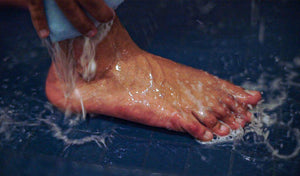
Why Your Feet are Sweaty and How to Keep Odor Under Control
Teen feet smell because they have more sweat glands than almost anywhere else on the body, and shoe-trapped moisture lets bacteria multiply fast. Here's what actually works to keep foot odor under control.
Read more
Jul 28, 2021
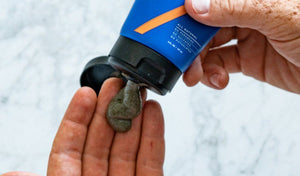
All the Reasons We Love Jojoba Oil
Jojoba oil's molecular structure so closely resembles the skin's own sebum that it absorbs easily, regulates oil production, and moisturizes without clogging pores — making it one of the most skin-compatible natural ingredients for teen boys.
Read more
Jun 30, 2021
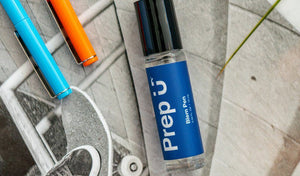
The ‘Head to Toe’ Benefits of Tea Tree Oil
From tackling acne and dandruff to preventing athlete's foot and soothing shaving irritation, tea tree oil delivers genuine results across a range of teen skin concerns. Here's how terpinen-4-ol — its active compound — works from head to toe.
Read more

Jun 22, 2021
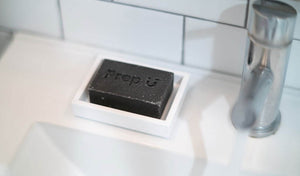
Why Hormones Stink: Puberty and Body Odor
Boys develop body odor during puberty because hormones activate a second type of sweat gland — the apocrine gland — whose secretions feed odor-causing bacteria. Here's the biology, the timeline, and how to help your son build a routine that actually works.
Read more
Jun 12, 2021
Body Wash vs. Bar Soap: The Ultimate Showdown for Teen Skin
Choosing between bar soap and body wash for your teen doesn't have to be complicated. This guide breaks down how each format works, what ingredients to look for, and how to match the right cleanser to your son's skin type and habits.
Read more

Apr 22, 2021
Natural Skincare: Better for You AND the Earth
Natural personal care products protect teen skin and the environment by avoiding synthetic chemicals — parabens, phthalates, SLS — that accumulate in the body and in ecosystems. Here's what "natural" actually means, which ingredients to watch for, and how to read a label.
Read more

“Clean” Hygiene: What It Means and Why It Matters
Clean hygiene means no parabens, phthalates, SLS, or synthetic fragrance — with ingredient lists that are transparent and independently verified. Here's what 'clean' actually means, which ingredients to avoid, and how to verify a product is genuinely clean.
Read more
Mar 25, 2021
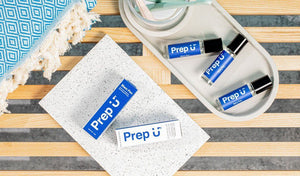
Does Witch Hazel Help with Acne?
Witch hazel helps mild teen acne by removing excess surface oil, reducing redness, and tightening pores — without harsh chemicals. Here's how it works, which skin types it suits best, and how to use it in a simple daily routine.
Read more
Mar 14, 2021
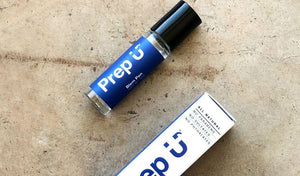
Your New Favorite Blemish Stick
The Prep U Blem Pen is an all-natural antiseptic spot treatment using witch hazel, tea tree oil, and aloe to reduce blemishes without harsh chemicals. Here's what's in it, how it works, and when to use it.
Read more
Feb 23, 2021
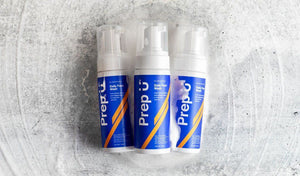
Best Face Wash for Guys by Skin Type
Choosing the right face wash for your teen starts with identifying his skin type. This guide covers what oily, dry, combination, and sensitive teen skin each need — including which ingredients to look for and which to avoid.
Read more

