
Washing Your Face: Top Things You Need to Know
Quick Answer
Teens should wash their face twice a day with a gentle, pH-balanced cleanser and lukewarm water. Overwashing, hot water, and harsh sulfate-based face washes all make breakouts worse rather than better.
Teens should wash their face twice a day with a gentle, pH-balanced cleanser and lukewarm water. Overwashing, hot water, and harsh sulfate-based face washes all make breakouts worse rather than better — here's what actually works.
Most teens wash their faces. Fewer do it correctly. Water temperature, product choice, and technique all determine whether a cleanse actually does something — or just irritates skin. Here's what parents should know and pass along to their sons about building a face-washing habit that holds up.
How Often Should Teens Wash Their Face?
Twice a day — morning and night — is the right target for teen skin. Teen skin produces more sebum (natural skin oil) and sweat than adult or child skin, so skipping even one wash lets bacteria and debris accumulate quickly. At minimum, a nightly wash is non-negotiable: it clears the day's buildup before it sits on skin overnight, gets transferred to the pillowcase, and cycles back to clog pores. If your son plays sports or sweats heavily during the day, washing right after activity matters too. What to avoid: washing more than three times a day, which strips the skin's natural protective layer and triggers compensatory oil production — creating more breakouts, not fewer.
Choosing the Right Face Wash for Teen Boys
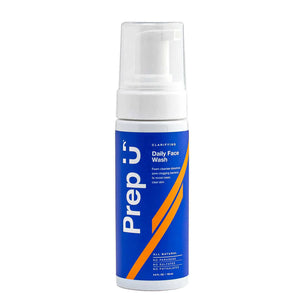
The product choice matters as much as the habit itself. Many commercial face washes contain sodium lauryl sulfate (SLS) or other harsh surfactants that strip the skin's moisture barrier — which signals the skin to produce even more oil in response. The result is a cycle of stripping and overproduction that worsens oiliness and breakouts over time. Look for a gentle, pH-balanced formula free of synthetic fragrance and drying detergents. Prep U's Daily Foaming Face Wash is formulated for young skin — effective at cutting through daily sweat and oil, mild enough for twice-daily use without over-drying. It works across skin types, which matters since teen skin can shift quickly during puberty.
Technique: What Actually Makes a Difference
Face washing has more nuance than most teens realize, and small adjustments make a real difference. Use lukewarm (not hot) water: hot water strips natural oils and temporarily disrupts the skin's acid mantle (the protective film that sits at pH 4.5–5.5), while cold water doesn't loosen dirt effectively. Wet the face before applying cleanser to get proper lather and distribution. Use fingertips rather than a washcloth or loofah, which can introduce bacteria and cause unnecessary friction on already-sensitized skin. Cover all areas: the jawline, chin, neck, and sides of the nose are commonly missed, yet these are exactly where sweat and bacteria accumulate against clothing and collars. Rinse thoroughly so no cleanser residue stays on the skin, then pat (don't rub) dry with a clean towel. A damp towel that's reused can harbor the same bacteria just washed off.
Common Face-Washing Mistakes That Cause More Breakouts
Several widely practiced habits actively make teen skin worse. Washing with unwashed hands transfers bacteria from the hands directly to the face before the cleanser even starts. Using regular bar soap is another common mistake: most bar soaps have a pH of 9–10 (highly alkaline), which disrupts the skin's natural acid mantle and causes dryness, tightness, and rebound oiliness. A face-specific cleanser handles pH correctly. Over-washing — more than two or three times daily — creates the same stripping effect regardless of the product used. Scrubbing vigorously or using abrasive cloths on skin that's already inflamed from a breakout spreads bacteria and worsens irritation rather than helping it heal.
Should Teens Moisturize After Washing?
For most teen boys, a lightweight moisturizer applied after cleansing is worth including, especially if the face feels tight or dry after washing. The best time to apply is when skin is still slightly damp — this helps seal in hydration rather than just sitting on the surface. Look for lightweight, non-comedogenic (non-pore-blocking) formulas without synthetic fragrance. Boys with very oily skin may find that a gentle, non-stripping wash leaves skin balanced enough that a separate moisturizer isn't necessary. Teens with dry or sensitive skin benefit more noticeably. Starting without moisturizer and adding one only if skin feels tight after cleansing is a reasonable approach for most teen boys.
What to Do After Washing for Active Breakouts
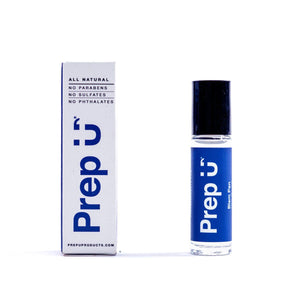
Cleansing prepares the skin for treatment — which comes right after. Prep U's Blem Pen Serum applied post-cleanse targets active blemishes directly without over-drying the surrounding skin. For deeper pore-clearing, incorporating the Exfoliating Charcoal Face & Body Scrub two to three times per week — used in place of the daily cleanser on those days — draws out the excess oil and bacteria that lead to clogged pores. If your son is heading outside, sunscreen as a finishing step protects against UV damage year-round, not just in summer. For most teen boys, keeping the post-wash routine to one targeted product (rather than a full multi-step regimen) maintains simplicity and increases the chance he'll actually stick with it.
Face washing is one of those habits that's easy to build early and pays dividends for years. The basics aren't complicated: the right product, lukewarm water, a consistent twice-daily routine, and a little attention to technique. Help your son get these in place now and the rest of his skincare habits will follow more naturally.
Last reviewed June 2026 by the Prep U team.
*Information on this site is intended for educational and informational purposes only. Any information on this site is not intended to make claims to any unique individual and/or experience.
For more, see our guide to the teen daily face wash guide.