
The ‘Head to Toe’ Benefits of Tea Tree Oil
Quick Answer
Tea tree oil's antibacterial, antifungal, and anti-inflammatory properties — driven by its active compound terpinen-4-ol — make it effective from scalp to feet, tackling acne, dandruff, athlete's foot, and shaving irritation in one versatile natural ingredient.
Tea tree oil's antibacterial, antifungal, and anti-inflammatory properties — driven by its active compound terpinen-4-ol — make it effective from scalp to feet, tackling acne, dandruff, athlete's foot, and shaving irritation in one versatile natural ingredient.
Tea tree oil is one of those ingredients that earns its reputation. Whether you've heard about it for treating breakouts, tackling foot odor, or just as a general-purpose addition to a cleansing routine, the science backs it up. For parents putting together a practical skincare approach for teen boys, understanding what tea tree oil actually does — and where it helps most — is a useful starting point.
Where Tea Tree Oil Comes From and Why It Works
Tea tree oil is an essential oil extracted from the leaves of Melaleuca alternifolia, an Australian tea tree. Indigenous Australians used it medicinally for centuries before commercial distillation began in the 1920s. Today, peer-reviewed research confirms what traditional users long observed: tea tree oil has documented antibacterial, antifungal, and anti-inflammatory properties, primarily due to its high concentration of terpinen-4-ol and related monoterpenes. These compounds work by disrupting bacterial cell membranes and inhibiting fungal growth — not just masking odor or irritation, but acting on the underlying causes. That combination of properties is why tea tree oil appears across so many different product categories. For teen boys whose skin is simultaneously managing acne, body odor, athletic activity, and hormonal changes, that versatility makes it genuinely practical.
Tea Tree Oil for Teen Acne
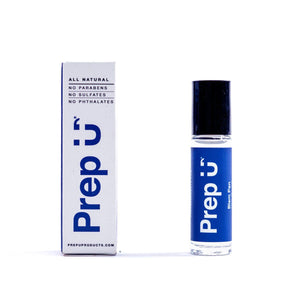
Acne is the most researched use, and the evidence is strong. Tea tree oil's antibacterial properties target Cutibacterium acnes — the bacteria central to most acne — while its anti-inflammatory action reduces the swelling and redness around existing pimples. Studies have found tea tree oil gel comparable to benzoyl peroxide for mild to moderate acne, with fewer side effects like dryness and peeling. For daily use, a serum applied directly to active breakouts provides targeted action. Prep U's Blem Pen Serum uses tea tree oil as a key active ingredient — the concentrated formula helps reduce the appearance of blemishes and supports clearer skin over consistent use. The expected timeline is two to three weeks of daily use before meaningful improvement becomes visible.
Tea Tree Oil for Dandruff and Scalp Health
Teen boys don't always connect scalp care to their overall skin health, but dandruff and dry, flaky scalp are common during puberty. Dandruff is often driven by Malassezia — a yeast-like fungus that thrives on the scalp's natural oils. Tea tree oil's antifungal properties disrupt Malassezia growth, reducing the flaking and itching it causes. A small clinical trial published in the Journal of the American Academy of Dermatology found that a 5% tea tree oil shampoo significantly reduced dandruff compared to a placebo over four weeks. For teens who deal with scalp concerns alongside skin issues, incorporating a tea tree-containing wash into the routine is a straightforward fix.
Tea Tree Oil for Athlete's Foot and Fungal Skin Issues
Active teen boys — especially those spending time in shared locker rooms and athletic spaces — are more susceptible to fungal infections like athlete's foot (tinea pedis) than most people realize. Athlete's foot thrives in warm, moist environments like sweaty shoes and locker room floors, causing itching, scaling, and burning between the toes and on the soles. Research published in Tropical Medicine and International Health found tea tree oil effective for relieving symptoms of athlete's foot, with the antifungal compounds in tea tree oil addressing the Trichophyton rubrum fungus responsible for the infection. A tea tree-based body wash used consistently after practice is one of the simplest preventive measures available. Prep U's Plant-based Castile Body Wash and Prep U's Unscented Charcoal Bar Soap (100% SkinSAFE) are clean daily-use options that support post-workout hygiene without harsh synthetic additives.
Tea Tree Oil for Shaving Irritation and Minor Skin Irritation
As teen boys start shaving, razor burn, small nicks, and skin irritation become part of the routine. Tea tree oil's antiseptic properties help keep minor cuts from becoming infected, while its anti-inflammatory action reduces the redness and irritation that come with learning to shave. The mechanism is twofold: terpinen-4-ol inhibits bacteria that could cause secondary infection in nicks, while the anti-inflammatory compounds reduce the histamine response that creates the visible redness of razor burn. A small amount applied to shaving-related irritation noticeably reduces redness compared to doing nothing — a practical tip worth passing along to teens who are just figuring out their grooming routine. Start with a patch test on a small area before using on the full face.
Body Odor: How Tea Tree Oil Addresses Post-Workout Freshness
Body odor results from skin bacteria breaking down sweat compounds into volatile fatty acids — not from sweat itself. Tea tree oil's antibacterial action targets those odor-producing bacteria at the source. For teens who sweat heavily during sports or in summer heat, including tea tree oil in their post-workout shower routine reduces bacterial load before it converts sweat into odor. This is also why tea tree oil appears in many natural deodorant formulations — it provides an additional layer of antibacterial activity alongside other odor-control ingredients. For the best results, pair a tea tree-containing wash with a quality natural deodorant applied to clean, dry skin immediately after showering.
Tea tree oil's reputation as a versatile natural ingredient isn't exaggerated — it earns it across a genuine range of common concerns. For teen boys navigating everything from breakouts to locker room bacteria, building a routine that incorporates tea tree oil is one of the more effective natural strategies available.
Last reviewed June 2026 by the Prep U team.
*Information on this site is intended for educational and informational purposes only. Any information on this site is not intended to make claims to any unique individual and/or experience.
For more, see our guides to the tea tree bar soap for teens and antifungal soap for teens.