
Does Witch Hazel Help with Acne?
Quick Answer
Witch hazel helps mild teen acne by removing excess surface oil, reducing redness, and tightening pores — all without harsh chemicals. It's most effective as one step in a consistent daily routine, not as a standalone treatment.
Witch hazel helps mild teen acne by removing excess surface oil, reducing redness, and tightening pores — all without harsh chemicals. It's most effective as one step in a consistent daily routine, not as a standalone treatment.
If your son is dealing with breakouts, you've probably tried a few things already — cleansers, spot treatments, maybe a late-night search for what actually works. Witch hazel is one ingredient that comes up consistently, and for good reason. It's a plant-based astringent that's been trusted for generations to calm irritated skin and manage oiliness. Understanding what it genuinely does — and where its limits are — helps you set realistic expectations and use it effectively.
What Is Witch Hazel and How Does It Work on Skin?
Witch hazel is a natural extract derived from the bark and leaves of the Hamamelis virginiana shrub, a native North American plant with a long history in natural medicine. The active compounds in witch hazel are called tannins — plant-based polyphenols that give it its astringent quality. Tannins temporarily tighten skin proteins, which reduces the appearance of pores, calms surface inflammation, and limits how much oil accumulates on the skin. Witch hazel also contains small amounts of natural compounds that give it mild antimicrobial properties, helping reduce the count of acne-associated bacteria on the skin surface. These mechanisms make it genuinely useful as a toner or spot treatment — it addresses several contributing factors to mild acne at once, using plant-derived chemistry that's gentle enough for regular use.
Does Witch Hazel Actually Help Teen Acne?
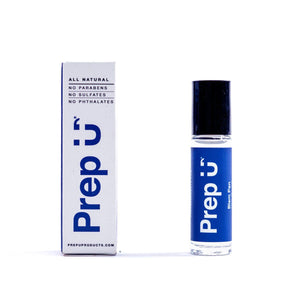
For mild to moderate acne — the kind characterized by blackheads, whiteheads, and occasional red pimples — witch hazel provides meaningful support. It acts as a mild astringent to remove excess surface oil, which matters because oily skin creates conditions where acne-associated bacteria thrive. Its anti-inflammatory tannins reduce the visible redness of existing blemishes without the drying or peeling that stronger chemical treatments cause. Used as a toner after cleansing, it also removes any residue the face wash didn't fully capture, leaving pores cleaner before moisturizer is applied. For targeted blemishes, the Blem Pen Serum is designed for precise spot application — it delivers active botanicals directly to the pimple without spreading bacteria around the face the way fingers can.
What Skin Types Benefit Most from Witch Hazel?
Witch hazel works best for oily and combination skin types, which are the most common in teen boys during puberty. Its oil-controlling and pore-tightening properties directly address the excess sebum (skin oil) that characterizes these types. For normal skin, witch hazel can work as an occasional toner — useful after a sweaty day or as a midweek reset. It's less suitable for dry or very sensitive skin: its astringent properties can worsen dryness and irritation in skin that's already depleted of moisture. If your son's skin is on the dry or reactive side, look for formulations that pair witch hazel with a hydrating ingredient like aloe vera or glycerin, or skip it in favor of a gentler toner altogether. Puberty skin changes over time, so a product that feels right at 12 may need adjusting by 15.
Can Witch Hazel Make Teen Acne Worse?
Yes — if used too frequently or in high-alcohol formulations. The most common mistake is applying witch hazel multiple times a day, treating it like a cure rather than a step. Over-application strips the skin's natural oils, which triggers the sebaceous glands (oil-producing glands) to compensate by producing more — the opposite of the intended effect. High-alcohol witch hazel products compound this by causing additional drying and irritation, which can worsen inflammation. The American Academy of Dermatology generally cautions against skincare products with high alcohol content for teen skin. Stick to once daily — applied with a cotton pad after cleansing — and choose an alcohol-free or low-alcohol formulation when possible.
How to Add Witch Hazel to a Teen Boy's Skincare Routine
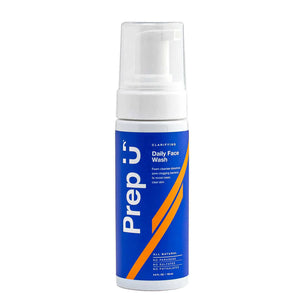
The key to witch hazel working is keeping the surrounding routine simple and consistent. Here's the right sequence: wash the face with a gentle daily cleanser — the Daily Foaming Face Wash is formulated for everyday use without stripping — then apply a small amount of witch hazel to a cotton pad and swipe gently over the face, or dab directly onto a blemish. Follow with a lightweight moisturizer. That full routine takes about two minutes. For weeks when skin is more congested or oily, adding the Exfoliating Charcoal Face & Body Scrub once or twice a week helps clear pores of the buildup that contributes to breakouts. The goal is a routine simple enough to actually happen every day — three steps, two minutes, consistent beats complicated and skipped.
When Should a Teen See a Dermatologist for Acne?
Witch hazel and good daily cleansing address mild acne effectively — but they have real limits. If your son's breakouts are widespread, painful, deeply cystic (hard lumps under the skin), appearing on the back or chest in addition to the face, or leaving marks after they heal, it's time to see a dermatologist. The American Academy of Dermatology notes that early, appropriate treatment of moderate to severe acne significantly reduces long-term scarring risk. A dermatologist can prescribe topical retinoids, benzoyl peroxide at prescription strength, or other options that over-the-counter ingredients can't match. Starting good habits early — consistent washing, targeted spot treatment, a simple daily routine — gives mild acne the best chance of not progressing. Professional care is the right call when self-care products aren't enough.
Last reviewed June 2026 by the Prep U team.
*Information on this site is intended for educational and informational purposes only. Any information on this site is not intended to make claims to any unique individual and/or experience.
For more, see our guide to the best face wash for teen acne.