
A parent's guide
Armpit Eczema in Kids
What causes red, itchy underarms in kids, how to tell a product reaction from true eczema, and when to call the pediatrician.
Shop Fragrance-Free Deodorant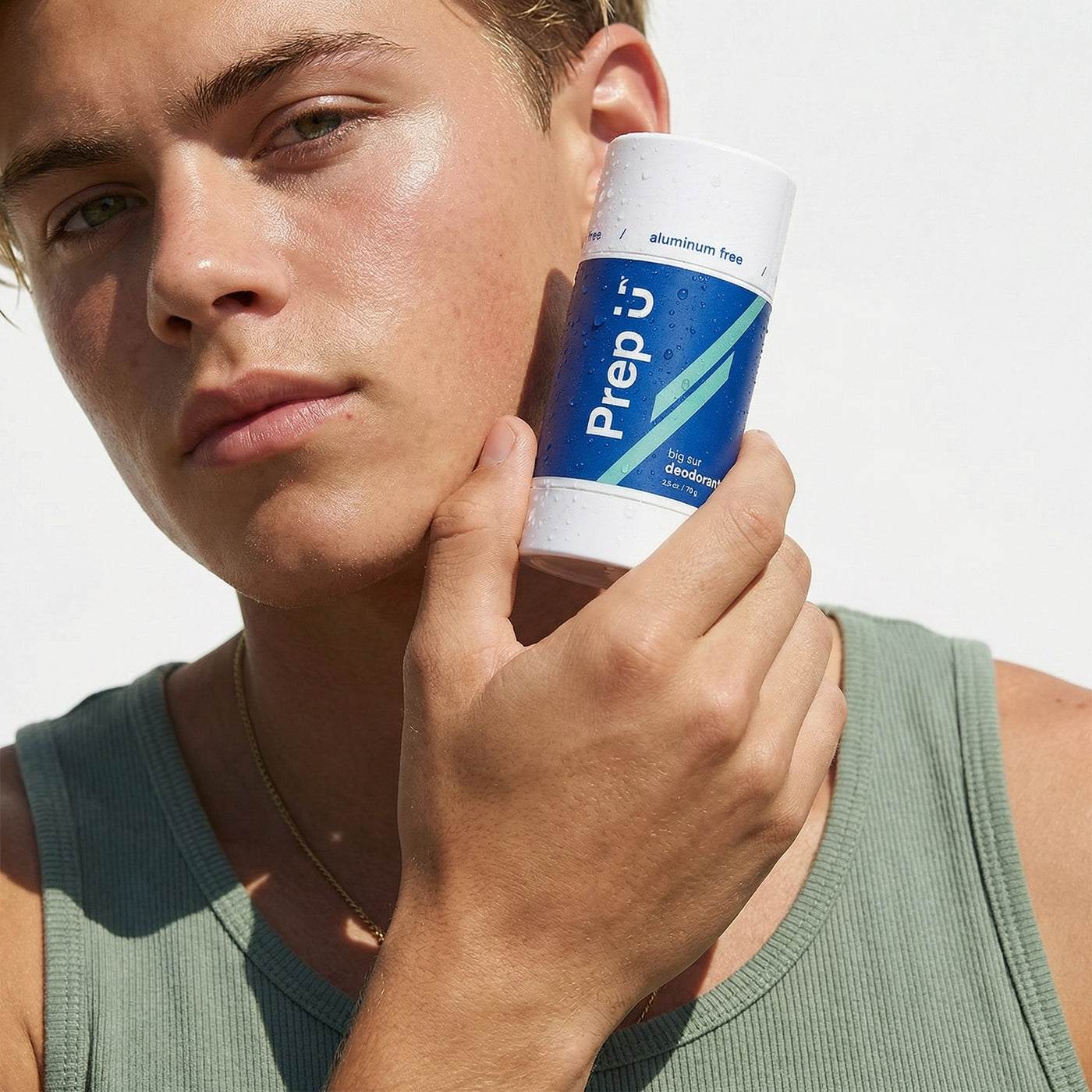
Armpit Eczema in Kids
A red, itchy underarm in a child is most often contact dermatitis: the skin reacting to something it touched, like fragrance in a deodorant or a scented detergent. Atopic eczema can show up there too, but less often. This guide covers what it looks like, what tends to set it off, what to do while skin settles, and when to call the doctor.
The Short Answer
- A red, itchy underarm in a kid is most often contact dermatitis, a reaction to something the skin touched.
- Fragrance, baking soda, aluminum compounds, scented laundry products and a fresh shave are the usual suspects.
- Atopic eczema can show up in the underarm, but it usually favors creases like the elbows and knees.
- Pause the new product, wash gently with a fragrance-free cleanser, pat dry and wear loose cotton while skin settles.
- Call the pediatrician if it spreads, blisters, weeps, or has not improved after a week or two.
Is it eczema in the armpit, or something else?
Eczema is a catch-all word for itchy, inflamed, dry skin, and in the underarm it usually points to one of two things. Most often it is contact dermatitis: skin reacting to something it touched, like a deodorant, a detergent or a razor. Less often it is atopic eczema, the kind that runs in families alongside asthma and hay fever and tends to favor creases such as the elbows and knees.
Most parents land here because a kid who just started deodorant has a red, itchy underarm. If that sounds like your house, our guide to armpit rash from deodorant goes deeper on the ingredient side.
Why are underarms such a hard place for skin?
Think about what that patch of skin deals with in a day. It is warm, it is folded shut, every sleeve rubs it, and for a kid who plays sports it sits in sweat for hours. Whatever you put there stays pressed against the skin the whole time.
Tweens and teens add a second layer. Deodorant is new, shaving may be new, and the glands behind underarm odor have just switched on. A product that was fine on a forearm can feel very different in that spot.
What does it look like?
Usually redness or pink, itching, and dry or flaky skin in the underarm. Some kids get small bumps, and the skin can feel raw or tender after sweating or practice. On deeper skin tones the color often reads as purple, gray or brown instead of red, which is easy to miss.
- Itching right after deodorant or after a sweaty workout
- A rough, dry or flaky patch
- Small bumps, or a rash that comes and goes
- Skin that stings when anything touches it
Contact dermatitis or atopic eczema: how do you tell?
A few clues help, though none is proof.
Contact dermatitis tends to start soon after something new: a deodorant, a body wash, a different laundry detergent. It sits where the product touched and stays mostly in the underarm. Atopic eczema tends to show up in more than one place, may come and go with stress or the seasons, and often turns up in kids who already have eczema, asthma or hay fever.
If it keeps coming back no matter what you change, a dermatologist can look at it in person, and patch testing is how they pin down a specific allergen.
What sets it off in the first place?
Fragrance is one of the usual suspects. Mayo Clinic names fragrances and cosmetics among the things that can trigger a reaction, and a scent from essential oils counts the same as a lab-made one.
Baking soda is alkaline while skin is slightly acidic, so some kids find it irritating when it sits in a warm fold every day. Aluminum compounds in antiperspirants bother some skin too. Then there is everything that is not deodorant at all: scented detergent and fabric softener left in a shirt, polyester that traps heat and sweat, and harsh, heavily foaming washes. A freshly shaved underarm makes every one of them sting more.
What can you do while skin settles?
Take the new product out of the routine and give the skin a break.
- Pause the deodorant or body wash that started it, and jot down the name and the first few ingredients.
- Wash with lukewarm water and a mild, fragrance-free cleanser, then pat dry instead of rubbing.
- Choose loose cotton shirts, and have your child change out of damp practice clothes soon after.
- Switch to a fragrance-free laundry detergent and skip the fabric softener for now.
- Skip shaving the area, and hold off on trying anything new.
What should a deodorant look like for touchy underarms?
Start with no fragrance and no essential oils, because that removes the most common trigger in one move. Aluminum-free helps if antiperspirant was part of the problem. Then read where baking soda falls on the ingredient list: ingredients run from most to least, so the higher it sits, the more of it there is.
Here is how ours reads. The Unscented stick has no fragrance of any kind and no essential oils, and it is aluminum-free and paraben-free. It does contain baking soda, micro-dosed and listed after magnesium hydroxide, so if baking soda has bothered your child before, skip it. It is SkinSAFE Rated 100%, which is an allergen screening result and not a promise that nobody will react.
Patch test first: a small amount on the inner forearm for a few days, then the underarm. The Mini is the Unscented formula in a travel size, which makes it a low-cost way to try it. Apply to clean, fully dry skin, and only once the underarm looks normal.
When should you call the doctor?
Call the pediatrician if the rash spreads, blisters, weeps, or hurts, or if your child cannot sleep because of the itch. Mayo Clinic suggests seeing a provider when a rash has not improved within three weeks, and with a kid you do not have to wait that long. A visit after a week or two without change is reasonable.
Warmth, pus or a fever can mean infection, so get seen quickly. Swelling of the face or lips, or any trouble breathing, needs care right away. Please do not self-diagnose a rash that is not following the usual pattern, because several conditions look alike and only an exam sorts them out.
Why Prep U
What Makes Prep U Different
No Fragrance, No Essential Oils
The Unscented stick leaves out scent entirely, which removes the most common deodorant trigger.
Aluminum-Free
Our deodorant is aluminum-free and paraben-free. It is deodorant, not antiperspirant, so sweat still happens and the job is odor.
Baking Soda, Micro-Dosed
Yes, there is baking soda in the Unscented stick. It is micro-dosed and listed after magnesium hydroxide.
Prep U Picks
Choose the Right Prep U Skincare

Unscented Deodorant
SkinSAFE Rated 100%. No fragrance of any kind.
- No fragrance and no essential oils
- Aluminum-free and paraben-free
- Magnesium hydroxide first, baking soda micro-dosed

Mini Natural Deodorant, Unscented
The Unscented formula in a travel size
- Same formula as the full-size Unscented stick
- A low-cost way to patch test
- Fits a backpack or gym bag
Frequently Asked Questions
Can deodorant cause eczema in kids?
Deodorant does not cause the family-linked kind of eczema, but it can set off a reaction that looks just like it. That reaction is contact dermatitis, and fragrance, baking soda and aluminum compounds are the usual triggers. Kids who already have eczema-prone skin tend to react sooner, so it helps to check the label for these before the first swipe.
What does armpit eczema look like in kids?
Redness or pink, itch and dry, flaky skin. On deeper skin tones the patch can look purple, gray or brown. The section above has the full list of signs, and a pediatrician can tell you which type you are looking at.
Is eczema in the armpit common in kids?
Atopic eczema usually favors creases like the elbows and knees, so the underarm is a less typical spot. A red, itchy underarm in a kid who just started deodorant is more often contact dermatitis. We cannot give you a reliable percentage, which is one more reason to let a doctor look at it.
How is atopic eczema in the armpit different from a reaction to a product?
Timing and spread are the best clues. A product reaction starts soon after something new and stays where the product touched. Atopic eczema tends to appear in other creases too and may flare with stress or the seasons. If the rash keeps returning, ask about patch testing.
What kind of deodorant is gentlest for kids with touchy underarms?
One with no fragrance or essential oils, no aluminum, and baking soda low on the ingredient list or left out. Check the label before it goes in the cart. Then patch test on the inner forearm for a few days before the underarm sees it.
Should my child skip deodorant while the rash is there?
Usually yes. A short break is fine for most kids: shower, wash with a mild cleanser, change shirts after sports and let the skin rest. Add deodorant back only once the underarm looks and feels normal, and begin with a patch test.
Does laundry detergent matter?
It can. Soaps and detergents are common irritants, and residue stays in contact with underarm skin all day. Switching to a fragrance-free detergent and skipping fabric softener is a cheap change to try. Running an extra rinse cycle can help get detergent out of shirts.
Does Prep U Unscented Deodorant contain baking soda?
Yes. It contains micro-dosed sodium bicarbonate, listed after magnesium hydroxide, eighth of ten ingredients in the Unscented stick. We would rather say so up front than have you find it on the back of the stick. If baking soda has been a trigger for your child, choose a product without it.
When should I take my child to a doctor for an underarm rash?
When it spreads, blisters, weeps, hurts, or keeps your child up at night, or when it has not improved after a week or two of changes. Fever, pus or warmth can mean infection, so get seen quickly. Face or lip swelling or trouble breathing needs urgent care.