
What I Wish I Knew About Teen Hygiene (as a Mom)
Quick Answer
Teen hygiene is less about finding the perfect products and more about building routines early, keeping conversations judgment-free, and choosing formulas simple enough that your kid will actually use them.
Teen hygiene is less about finding the perfect products and more about building routines early, keeping conversations judgment-free, and choosing formulas simple enough that your kid will actually use them.
When my sons reached their preteen years, I thought I had parenting figured out. I'd survived sleepless nights, scraped knees, and the emotional rollercoaster of elementary school. Nothing quite prepared me for the hygiene piece — the moment when the "kid smell" I'd managed for a decade became something distinctly different, and the stakes of getting the routine right suddenly felt a lot higher.
Start the Conversation Before It's Urgent
The biggest mistake I made was waiting until things were already noticeable to bring up hygiene. By the time body odor or breakouts are apparent, a teen can feel self-conscious about the conversation before it even starts. Starting the conversation early — around ages 9 or 10, before puberty has fully hit — removes the urgency that makes it awkward. Keep the tone light, matter-of-fact, and shame-free. Share your own experience. The goal of the first conversation isn't to hand him a deodorant and a checklist — it's to establish that hygiene is something you can talk about openly without it being weird. Every parent I've spoken with who did this earlier said they wished they'd done it sooner.
Simplicity Is What Makes Routines Stick
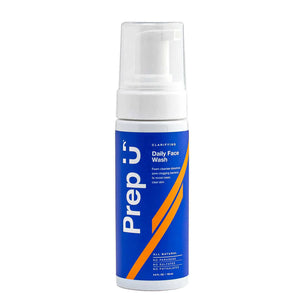
The most common mistake in setting up a teen hygiene routine is making it too complicated. A five-step skincare regimen that requires remembering product order, wait times, and application methods will not survive contact with a tired 13-year-old at 10pm. The routines that actually stick are two or three steps, products easy to use, and results obvious enough that your teen can feel the difference. When I built Prep U, this was the core design principle: every product needed to do its job clearly and be simple enough that a boy who'd never had a hygiene routine could figure it out in under 30 seconds. Daily Foaming Face Wash and a natural deodorant are the two products that anchor most teen boys' routines — and they're enough to make a real difference.
What's in the Products Actually Matters
When my sons first started using deodorant and face wash, I didn't pay much attention to the ingredient list. As I learned more while building Prep U, I understood why it mattered. Conventional personal care products routinely include parabens (endocrine-disrupting preservatives), sulfates (barrier-stripping foaming agents that worsen oiliness), phthalates (fragrance stabilizers hidden under "fragrance" that interfere with hormone signaling), and aluminum compounds (in antiperspirants). These aren't harmless baseline ingredients — they're synthetic chemicals that teen bodies absorb daily during a period when the endocrine system is actively developing and skin permeability is high. Choosing formulas made with plant-derived and mineral ingredients — no parabens, no sulfates, no phthalates — is a reasonable precaution during the years it matters most.
Give Teens Some Ownership Over the Choices
One of the most effective things I did with my own sons was letting them choose within a set of options I'd already vetted. Rather than handing them a product and telling them to use it, I'd let them pick between two scents, or choose between a bar soap and a body wash. Teens are more likely to actually use products they feel some ownership over. This doesn't require endless options: three or four products, each doing its job cleanly, is all it takes. Prep U's Solstice Deodorant and Carbon Deodorant are the two options I give my own kids — both aluminum-free, both SkinSAFE-rated, different enough in scent profile that there's a real choice to be made.
Normalize the Struggle — Every Teen Goes Through This
Body odor, breakouts, figuring out how often to shower after sports — every teen navigates these questions awkwardly at first. The more you can normalize that the learning curve is expected, the faster they get through it. Celebrate small wins: remembered deodorant before school without being asked, washed face before bed two nights in a row, asked a question about a product instead of just ignoring it. These are real progress. I've found that sharing my own stories from navigating hygiene as a teen — embarrassing ones — helps my sons feel less alone in the process. Humor genuinely helps here.
What a Good Teen Hygiene Routine Looks Like in Practice
For most teen boys, the minimum effective routine covers three categories: body odor, facial cleansing, and body washing. For odor: natural deodorant applied daily to clean, dry underarms. For face: a gentle foaming cleanser morning and evening, plus a targeted blemish treatment when needed. For body: a plant-based body wash or castile bar soap used consistently after practice and before school. Prep U's Plant-Based Castile Body Wash covers body washing with a simple, clean formula — coconut-derived cleansers, no sulfates, no parabens, no synthetic fragrance. The whole routine takes under five minutes morning and evening. That's achievable for a teen who's motivated, and achievable with one reminder for a teen who isn't.
The parents who have the easiest time with teen hygiene aren't the ones with the most elaborate routines or the most premium products. They're the ones who started early, kept it low-pressure, and made the routine simple enough to survive the worst moods and the longest school days.
Last reviewed June 2026 by the Prep U team.
*Information on this site is intended for educational and informational purposes only. Any information on this site is not intended to make claims to any unique individual and/or experience.
For more, see our guide to what age do boys start wearing deodorant.