
How to Stop Swamp Ass: What Causes It and What Actually Works
Quick Answer
Swamp ass happens when moisture traps in the gluteal crease and mixes with skin bacteria to produce odor and irritation. The fix is preventing that moisture buildup before activity, not chasing it after the fact.
Swamp ass happens when moisture traps in the gluteal crease and mixes with skin bacteria to produce odor and irritation. The fix is preventing that moisture buildup before activity, not chasing it after the fact.
Nobody wants to talk about it. But if you've played a full game in the summer heat, sat through a double-practice, or just had an August afternoon in cleats, you know exactly what it is. Swamp ass is real, it's uncomfortable, and there are actual things you can do about it.
What Actually Causes Swamp Ass
Swamp ass is caused by moisture accumulating in the gluteal crease, where trapped sweat mixes with naturally occurring skin bacteria to produce odor and irritation. The gluteal crease is a warm, enclosed zone with very little airflow, which sets up the exact conditions those bacteria need to thrive. Apocrine and eccrine sweat glands activate during exercise, moisture builds in the crease, and bacteria break down that sweat into the odor and dampness you know as swamp ass.
Three things drive it: moisture accumulation (sweat cannot evaporate in an enclosed crease, so it stays wet and warm), bacterial activity (skin bacteria digest sweat compounds and produce odor as a byproduct), and friction (movement rubs skin against skin or fabric, which irritates already-damp skin and accelerates discomfort). Athletes have it worse because sustained movement keeps the zone warm and damp for longer. A 90-minute practice is not the same as a walk to class. The longer you are active, the worse the conditions get.
Why Athletes Are Hit Hardest
Athletes experience swamp ass more intensely because sustained physical activity keeps the gluteal zone warm, compressed, and wet for extended periods, multiplying the bacterial activity that causes odor. Most personal care products are designed for underarms. The bacterial mechanism in the gluteal crease is similar, but the zone is different: larger, more enclosed, and exposed to significantly more friction during athletic movement. Throwing deodorant back there might reduce smell temporarily, but it doesn't address the root cause, which is the moisture feeding the bacteria in the first place.
Football players in full pads. Cyclists locked into bib shorts for two hours. Wrestlers in singlets through a tournament. Anyone doing sustained lower-body activity in warm conditions is creating exactly the environment where swamp ass develops fast. The heat from exertion plus the compression of most athletic gear makes it worse than everyday activity by a wide margin. There's also a skin irritation angle that gets overlooked: persistent moisture against skin in high-friction zones causes chafing that goes from annoying to genuinely painful over a long season of daily practices.
What Actually Works
Body Powder: Start With Moisture, Not Odor
The most effective tool for swamp ass is a talc-free body powder applied before activity. The mechanism is direct: arrowroot starch and corn starch absorb moisture at the skin surface, keeping the gluteal crease drier for longer. Drier conditions mean less bacterial activity, which means less odor and less irritation.
Timing is the part most people get wrong. Apply after showering, on completely dry skin, before you dress. This is prevention, not damage control. Once you're an hour into practice with moisture building up, powder applied later is not going to help much. The window is before activity, on dry skin, every time.
What to look for in a body powder: talc-free formulas (talc has a well-documented inhalation risk and a contamination history that has led to major litigation; arrowroot and corn starch absorb moisture just as effectively without those concerns), no menthol (menthol can irritate a zone that's already damp and friction-prone), and zinc oxide for mild antimicrobial action to help protect skin in high-friction areas.
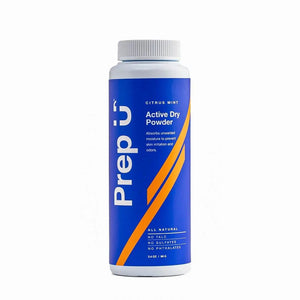
Prep U's Active Dry Powder guide covers how the formula works and why the ingredient combination matters for athletes specifically. Prep U Active Dry Powder is talc-free, SkinSAFE certified, and built around arrowroot, corn starch, zinc oxide, and a micro-dosed sodium bicarbonate calibrated below the skin irritation threshold. No talc. No menthol. No synthetic fragrance.
Deodorant for Adjacent Zones
Body powder handles moisture. Aluminum-free deodorant is useful for adjacent zones, particularly the inner thighs and groin folds, where odor is the primary concern rather than moisture volume. The two work together: deodorant neutralizes odor-causing bacteria, powder reduces the moisture that feeds them.
One distinction worth making: Prep U makes deodorant, not antiperspirant. Antiperspirant uses aluminum compounds to block sweat glands. Deodorant uses active odor-neutralizing minerals like zinc oxide and magnesium to address the bacteria responsible for odor, without blocking the body's natural sweat process. For active teens whose bodies are still developing, deodorant is the right call in these zones. See our guide to the best natural deodorant for teen athletes for more detail.
Moisture-Wicking Fabric Underneath
Wearing moisture-wicking base layers significantly reduces swamp ass because they pull sweat away from skin and allow it to evaporate instead of pooling in the crease. Cotton absorbs sweat and holds it against your skin. Moisture-wicking compression shorts reduce the ambient moisture your skin sits in during movement. This doesn't eliminate swamp ass on its own, but combined with body powder applied before dressing, it's a meaningful part of the approach for any sustained athletic activity.
The Pre-Practice Protocol
The most effective routine starts before you dress: shower, dry completely, apply body powder on dry skin, then layer up. Here's the sequence:
- Shower and dry completely before practice.
- Apply talc-free body powder to the gluteal crease, inner thighs, and groin area on dry skin before dressing.
- Apply aluminum-free deodorant to underarms and adjacent zones.
- Wear moisture-wicking base layers where possible.
- Shower after practice and reset.
The sequence is straightforward, but the order matters. Powder on dry skin before dressing is the version that works. Powder after an hour of sweating is not. Building this into the pre-practice routine takes about 60 seconds and makes a noticeable difference by the end of a two-hour session.
After Practice: Finishing the Job
Body powder handles the friction zones before activity. Post-practice cleanup is a separate step. The goal after practice is removing sweat residue, bacteria, and any product buildup from skin that's been working hard. A sulfate-free body wash for teen boys is SkinSAFE certified and built for the daily use active teens need: post-practice odor, sweat residue, and skin that has been putting in work all season. Skipping the post-practice shower means bacteria keep working on sweat residue long after the game ends, which carries the problem into the next morning.
Ready to fix the problem? Prep U Active Dry Powder is the right place to start.
Last reviewed June 2026 by the Prep U team.
*Information on this site is intended for educational and informational purposes only. Any information on this site is not intended to make claims to any unique individual and/or experience.