
Back-to-School Hygiene for Teen Athletes: The Complete Pre-Season Checklist
Quick Answer
Teen athletes should shower immediately after practice, apply deodorant on clean dry skin, wear flip-flops in communal showers, and wash gear after every use. A three-product routine covers most athletic hygiene needs.
Teen athletes deal with more sweat, more bacteria exposure, and more skin stress than non-athletes of the same age. Back-to-school season is the right time to build a hygiene routine that can handle the demands of double practices, locker rooms, and full school days.
Why Athletic Teens Need a Different Approach
Exercise increases sweat production significantly. Sweat itself is mostly water and does not smell, but it creates a warm, moist environment where odor-causing bacteria multiply rapidly. Teen athletes who go from morning practice to afternoon classes and then back to an evening workout are cycling through multiple sweat events in a single day, which a once-daily routine may not adequately address.
High-friction sports also increase the risk of folliculitis (infected hair follicles), tinea (athlete's foot and ringworm), and impetigo (a bacterial skin infection common in contact sports like wrestling). Good hygiene practices are the primary prevention strategy for all of these.
The Pre-Season Hygiene Checklist
Deodorant: Teen athletes need a deodorant that can handle sustained sweat. Aluminum-free options using magnesium hydroxide work by neutralizing odor-causing bacteria rather than blocking sweat ducts, which is appropriate for developing bodies. Apply deodorant on clean, dry skin before practice, and reapply after showering post-workout. The Prep U Hunter deodorant is built specifically for higher-activity days.
Shower routine: Showering immediately after practice is the single most effective hygiene step for athletes. A gentle body wash that cleans without over-stripping is better than antibacterial soap for daily use. Antibacterial soaps used daily can disrupt the skin microbiome and are unnecessary for most teen athletes. Save targeted antibacterial wash for specific situations like after contact with shared equipment or mats.
Foot care: Athlete's foot is a fungal infection spread in locker rooms and shower areas. Wearing flip-flops in communal showers is the most effective prevention measure. Drying feet thoroughly, including between toes, after showering reduces fungal growth. An absorbent body powder applied to feet and shoes can help manage moisture between practices.
Gear hygiene: Reusing sweaty gear without washing it between practices is one of the most common sources of odor complaints and skin issues in teen athletes. Jerseys, socks, and any moisture-wicking underlayers should be washed after every use. Bags and helmets can be wiped down with a disinfectant spray.
Face care: Post-workout acne (acne mechanica) is common in teen athletes, especially those who wear helmets, straps, or tight headgear. Washing the face within 30 minutes of finishing a workout reduces the window for sweat and bacteria to clog pores. A lightweight, non-comedogenic moisturizer applied after washing helps maintain the skin barrier without adding pore-clogging oils.
Building the Routine Around a Busy Schedule
The most effective teen athlete hygiene routine is one that actually gets done. For most teens, that means keeping it simple: deodorant before practice, shower immediately after, face wash within 30 minutes of finishing. A three-product kit covering deodorant, body wash, and a gentle face wash covers the essential bases for most high school and middle school athletes.
Prep U's Athlete Starter Set was built with exactly this in mind, bundling the key pieces for a post-practice routine that fits between the final whistle and first period.
Talking to Your Teen About Hygiene
Many teens are more receptive to hygiene conversations when the framing is performance-focused rather than appearance-focused. Explaining that bacteria cause post-practice odor and that showering quickly prevents it lands differently than "you smell bad." Similarly, framing skin care as preventing breakouts and irritation that could affect playing time is a more motivating argument for most teen athletes than aesthetics alone.
What to Keep in Your Gym Bag
Pre-season week one is the best time to set up a gym bag kit that supports hygiene on unpredictable schedules. When the right supplies are already packed, most teens will use them. Here is a practical starting list:
- Travel-size deodorant: Reapplication after practice matters, especially on days when a shower is not immediately available. A travel-size version of the same deodorant used at home fits in any bag pocket without taking up space.
- Body wipes: On double-practice days or when a locker room shower is not an option, fragrance-free body wipes provide a quick cleanse that removes sweat and reduces surface bacteria without requiring water. These are especially useful during tournament weekends and away games.
- Flip-flops: Communal showers are the primary transmission site for athlete's foot. Keeping a dedicated pair of flip-flops in the bag removes the temptation to skip them when time is short.
- Extra socks: Bacteria from wet or sweaty feet transfer to shoes and accumulate over time. A clean pair of socks for after a shower, or as a between-session swap, breaks that cycle and keeps footwear from becoming a source of odor and irritation.
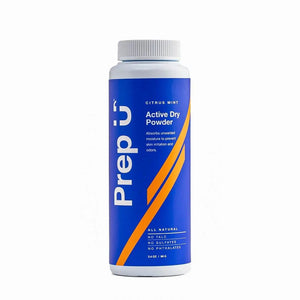
- Body powder: Applied to feet and the inside of shoes between sessions, an absorbent body powder manages moisture and reduces the warm, damp conditions where fungi and bacteria thrive.
The goal with a gym bag kit is to lower the barrier to good habits. When the supplies are already there, the routine takes care of itself.
Sport-Specific Considerations
Not all sports create the same hygiene demands. Understanding where your teen's sport sits on the risk spectrum helps prioritize what matters most during pre-season.
Contact sports (wrestling, football, lacrosse): Skin-to-skin contact and shared padding create direct transfer pathways for bacteria and fungi. Impetigo, ringworm, and staph infections are common in contact sport athletes, and all are preventable with consistent hygiene. For these athletes, showering within 30 minutes of practice is not optional. Waiting until later in the evening significantly extends the window for bacteria to cause problems on the skin.
Swimming: Chlorine effectively reduces bacteria in pool water, but it also strips the skin barrier with regular exposure. Swimmers who skip moisturizing body wash after pool practice leave their skin more vulnerable to dryness, irritation, and compromised barrier function over a long season. A gentle, hydrating body wash used immediately after rinsing off pool water makes a measurable difference by mid-season.
Cross-country and track: These athletes may feel like they sweat differently than contact sport athletes, but the volume of sweat produced during distance running still requires a full cleanse. Moisture-wicking clothing helps during the run but does not eliminate post-run bacteria on the skin. The same showering standard applies.
Baseball and softball: Long games and multi-day tournaments mean extended sun and heat exposure stacked on top of sustained sweat. Sunscreen becomes a daily necessity alongside deodorant for these athletes. The three non-negotiables for a game day: sunscreen before warm-ups, deodorant before the first pitch, and a shower before anything else after the final out.
The Locker Room Reality
Teens spend a significant amount of time in locker rooms, and locker rooms are where hygiene habits become visible to peers. Teens who are managing odor or visible skin issues notice it, and so does everyone around them. Framing hygiene as a performance and confidence tool rather than a hygiene lecture tends to get better adoption with this age group. Coaches who reinforce showering quickly and keeping gear clean as a team performance standard tend to see better results than those who address it as a personal issue.
A few practical rules that reduce bacteria transmission in shared spaces:
Wipe down shared equipment. Helmets, shoulder pads, and headgear transfer bacteria each time they change users. Athletes who wipe down shared gear with a disinfectant spray before and after use are doing themselves and their teammates a measurable favor, especially in the first weeks of contact practice when skin-to-skin bacteria exposure is highest.
Use a personal face towel. Using a personal towel for the face instead of whatever is available in the locker room reduces exposure to bacteria left by others. Shared bars of soap accumulate surface bacteria over time and are worth avoiding in favor of a personal liquid body wash brought from home.
Keep personal products personal. Each athlete should use their own deodorant, their own face wash, and their own body wash. Sharing personal care products is a straightforward transmission path for bacteria and fungal infections that is easy to avoid with basic planning.
When the majority of athletes on a team treat showering quickly and keeping gear clean as the standard expectation, it becomes self-reinforcing. Pre-season is the right time to set that standard.
Reviewed: July 2026. This article is for general educational purposes only. Teens with persistent skin conditions should consult a board-certified dermatologist.