
What Moms Don’t Know About Pre-Teen Boys
Quick Answer
Pre-teen boys between ages 9 and 13 go through rapid brain development and body changes that most parents aren't prepared for, and the most effective move is to build a simple hygiene routine before the changes peak, not after.
Pre-teen boys between ages 9 and 13 go through rapid brain development and body changes that most parents aren't prepared for, and the most effective move is to build a simple hygiene routine before the changes peak, not after.
You know something's changing. You just can't quite put your finger on what, or how to talk about it. If you're a mom raising a pre-teen boy, you're navigating a phase most parenting books gloss over entirely. Here's what they should have told you.
His Brain Is Literally Rewiring Itself
Between ages 9 and 13, the male brain undergoes one of its most dramatic periods of reorganization since infancy. The prefrontal cortex, the part responsible for planning, impulse control, and reading social cues, is actively under construction. This isn't attitude. It's neuroscience. The American Academy of Pediatrics notes that this developmental process continues well into the mid-20s, which explains why logical arguments about future consequences rarely land at this age. Your son isn't blowing off your reminders about showering because he's lazy. He genuinely isn't processing cause and effect the way you are. A directive like "you need to shower or kids will notice" requires him to simulate a future social consequence, which his brain literally isn't wired to do reliably yet. This is why nagging almost never works at this age, and why building habits into his existing routine does.
Why Pre-Teen Boys Smell and Why They Can't Detect It
Puberty-related body odor can appear seemingly overnight, often as early as ages 8 or 9. Apocrine glands, the sweat glands that produce the oily sweat that skin bacteria love, activate early in the puberty sequence, sometimes well before other visible changes. Here's what throws most parents off: boys genuinely cannot smell themselves. After prolonged exposure to a smell, the nose stops registering it, a process called olfactory adaptation. Your son isn't in denial. He is essentially anosmic (unable to detect) his own odor. To him, everything seems fine. This is why waiting for him to notice and ask for help is a losing strategy. Getting a natural deodorant formulated for kids into his routine before the smell becomes urgent is far easier than correcting the problem after the fact.
He Won't Ask for Help, So You Have to Start the Conversation
Pre-teen boys are caught in an awkward social middle ground: old enough to feel embarrassed asking mom for help, young enough that they don't know where else to turn. Most of them quietly deal with confusion about their bodies rather than risk the humiliation of admitting they don't know something. The conversations that work tend to share a few things in common. They happen while doing something else: driving, cooking, walking the dog, rather than sitting face-to-face. They're short. And they lead with normalizing, not correcting. "Around your age, pretty much every guy starts needing deodorant" lands very differently than "You need to start wearing deodorant." You don't need one long talk. You need a lot of short ones over time.
What Body Changes Pre-Teen Boys Are Dealing With
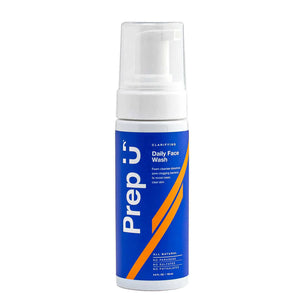
Beyond odor, pre-teen boys are navigating a full set of changes they may not have language for and almost certainly won't bring up on their own. Skin oiliness increases as sebaceous glands become more active, which sets the stage for acne. Body hair appears in new places. Feet grow fast and sweat more. Voices start to shift. All of this is happening at school, where social comparison is constant and anything that makes you stand out feels catastrophic. Knowing this list helps you stock the bathroom proactively. A simple, unfussy daily routine covering face wash, deodorant, and body wash removes the friction of him having to ask for things. When the right products are just there, the routine becomes the path of least resistance.
How to Build a Hygiene Routine That Actually Sticks
The most durable habits get attached to things that already happen automatically, a technique called habit stacking. This works especially well with pre-teens because it removes the need for them to remember. If he showers every night before bed, deodorant goes right after. If he brushes his teeth in the morning, face wash is the step before. You're not adding new events to his day, you're inserting new behaviors into the flow of existing ones. Keep the products simple and accessible. A cluttered bathroom cabinet is a barrier. One body wash, one deodorant, one face wash: that's a routine. A shelf of ten products is a chore. Involve him in choosing products when you can. Boys who pick their own scent are significantly more likely to actually use it. Autonomy and buy-in matter a great deal at this age.
When to Step Back and Let Him Own It
There's a version of this where you handle everything: you buy the products, you set the reminders, you check that he showered. That might work in the short term. But the goal is for him to manage his own routine by the time he's 13 or 14, not to still be dependent on you to run it. Involve other trusted adults when the conversation is stalling. A coach, an uncle, an older cousin: sometimes boys absorb this kind of guidance more easily when it doesn't come from mom. That's not a reflection on you. It's just how adolescent social development works. Once the habit is established, the best thing you can do is stop commenting on it. Praise the routine early, then let it become invisible. The goal is for hygiene to feel like his thing, not something he does because mom is watching.
Last reviewed June 2026 by the Prep U team.
*Information on this site is intended for educational and informational purposes only. Any information on this site is not intended to make claims to any unique individual and/or experience.