
The Importance of His Personal Hygiene
Quick Answer
Good personal hygiene helps teen boys avoid body odor, reduce breakouts, and stay healthy — and the habits built now carry forward for life. For most teens, a consistent daily routine covering showering, deodorant, and face washing covers all the basics.
Good personal hygiene helps teen boys avoid body odor, reduce breakouts, and stay healthy — and the habits built now carry forward for life. For most teens, a consistent daily routine covering showering, deodorant, and face washing covers all the basics.
There's a moment every parent recognizes — when the bathroom battles shift from convincing a toddler to hold still for a shampoo rinse, to convincing a teenager that yes, he does need to shower today. The habits he builds now will carry him for decades, and getting this right is worth whatever effort it takes to make it stick.
Why Personal Hygiene Matters for Teenage Boys
Personal hygiene is genuinely about health first, not just social acceptability. Puberty brings hormonal changes that increase oil and sweat production — exactly the conditions that cause body odor and acne. Regular cleansing removes the sweat, oil, and bacteria that contribute to skin breakouts. Handwashing — still the most evidence-backed hygiene habit — prevents the spread of viruses and bacteria that teens pass around constantly in school and on sports teams. Body odor results from bacteria on the skin surface breaking down sweat compounds; it's not the sweat itself that smells but the bacterial activity, which is why cleansing and deodorant both matter. The sooner your son understands that hygiene is self-care that directly affects how he feels and functions, the more he'll maintain it on his own motivation rather than yours.
What Are the Basic Hygiene Habits Every Teen Boy Needs?
A complete teen hygiene routine covers five key areas: daily showering, deodorant, face washing, dental care, and handwashing. Daily or post-activity showering prevents body odor by removing sweat and bacteria before they multiply on skin. Deodorant — applied after showering to clean underarm skin — neutralizes odor-causing bacteria through active minerals like magnesium and zinc oxide. Face washing twice daily removes the excess sebum (oil) and environmental debris that clog pores during puberty. Brushing and flossing keep oral bacteria in check. Regular handwashing — especially before eating and after sports — is the simplest infection-prevention habit available. These habits aren't complicated; what matters is consistent, daily execution.
How Often Should a Teenage Boy Shower?
Most teenage boys should shower daily — or immediately after any athletic activity or heavy sweating. Puberty dramatically increases oil and sweat production, so the once-or-twice-a-week approach that might have worked at age eight is no longer enough by ages 11 to 13. Showering after sports is particularly important: sweat left on skin for hours creates a warm, moist environment that odor-causing bacteria thrive in. For teens in multiple sports seasons or active summer months, a post-practice rinse in addition to a daily morning shower is a worthwhile habit. Water temperature matters less than consistency — getting him in the routine of doing it every day is the real goal.
How to Get a Teenager to Actually Maintain His Hygiene
The goal is eventually not having to think about it. Getting there requires making the routine as frictionless as possible. Set him up with products he actually likes using — something that smells good, or that he picked out himself, goes a long way toward compliance. Keep everything within easy reach in the bathroom so there's no excuse to skip steps. Habit-stacking works well for deodorant: placing it next to his toothbrush means he's already doing a hygiene task, so it's natural to add one more. Connect the routine to outcomes he actually cares about — performance at practice, confidence with peers, not being the guy coaches notice in the locker room. Most teenagers, when they genuinely understand the stakes, are more motivated than their parents expect.
What Products Does a Teen Boy Need for Good Hygiene?
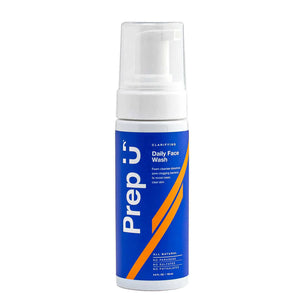
Three products make the biggest difference: deodorant, a body wash, and a face wash. For deodorant, Prep U's Solstice Deodorant — formulated with Prep U's Active Mineral and Botanical Blend (magnesium, zinc oxide, arrowroot, corn starch) — provides effective, long-lasting odor control and is rated 91% SkinSAFE. It's made for teen bodies without aluminum compounds. For the shower, Prep U's Solstice Body Wash cleans effectively without harsh ingredients that dry out or irritate skin — teens are more likely to keep using something that feels good, so this matters more than it might seem. For his face, which produces more oil during puberty, Prep U's Daily Foaming Face Wash is a gentle daily option that removes excess oil and keeps pores clear without causing irritation or over-drying. These three products, used consistently, cover the foundations of a teen hygiene routine.
How Does Hygiene Affect a Teen Boy's Confidence?
A solid hygiene routine has a confidence payoff that's easy to overlook. When your son knows he smells clean, has clearer skin, and looks put-together, he walks into school or practice differently. Research in adolescent psychology shows that self-care habits — including physical grooming — are associated with higher self-esteem in teens. The effects are cumulative: any individual step might seem minor, but the daily practice of taking care of himself builds a sense of competence and self-respect that shows up far beyond the bathroom. Building this routine is one of the most practical confidence investments a parent can make for a teenager.
Personal hygiene is one of those areas where a little structure and the right setup make all the difference. Once the habits are in place, they run largely on autopilot — and the payoff in his health, confidence, and social life is completely worth the early investment.
Last reviewed June 2026 by the Prep U team.
*Information on this site is intended for educational and informational purposes only. Any information on this site is not intended to make claims to any unique individual and/or experience.
For more, see our guide to the best deodorant for teenage boys.