
Tea Tree Oil: Your Natural Cleansing Guide
Quick Answer
Tea tree oil — distilled from Australian Melaleuca alternifolia leaves — is one of the most research-supported natural ingredients for teen skin, with antibacterial and anti-inflammatory properties that help manage breakouts, body odor, and post-workout skin care.
Tea tree oil — distilled from Australian Melaleuca alternifolia leaves — is one of the most research-supported natural ingredients for teen skin, with antibacterial and anti-inflammatory properties that help manage breakouts, body odor, and post-workout skin care.
Tea tree oil has been a go-to in natural health circles for decades, and for good reason. For parents of teen boys dealing with breakouts, post-workout body odor, or irritated skin, it's worth understanding what it actually does, how to use it safely, and which products make the most sense for your son's routine.
What Is Tea Tree Oil and How Does It Work?
Tea tree oil is an essential oil steam-distilled from the leaves of Melaleuca alternifolia, a tree native to Australia that Indigenous Australians used medicinally for centuries. Its primary active compound — terpinen-4-ol — is responsible for its well-documented antibacterial, antifungal, and anti-inflammatory effects. Published studies have shown terpinen-4-ol disrupts the cell membranes of bacteria, including Cutibacterium acnes (the bacteria most associated with acne), making tea tree oil genuinely effective — not just as a marketing claim. What makes it a particularly good fit for teen skin is its dual action: it addresses surface bacteria without stripping the skin's natural moisture barrier. Harsh antibacterial washes that over-dry skin often backfire during puberty, triggering more oil production in response. Tea tree oil-based products tend to hit the bacteria without setting off that cycle.
Tea Tree Oil for Teen Acne: How to Use It Effectively
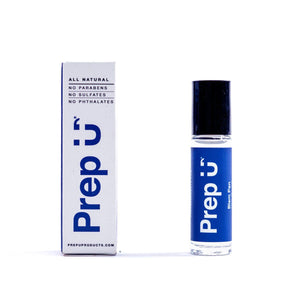
For breakout-prone teen skin, tea tree oil is most effective as part of a consistent daily routine rather than just a spot treatment used once in a while. Products that incorporate it into a wash or serum deliver low-level antibacterial action across the whole face rather than targeting one pimple at a time. For active blemishes, a targeted serum applied directly is particularly useful. Prep U's Blem Pen Serum uses tea tree oil as a core active ingredient — the concentrated formula helps reduce the appearance of active blemishes and supports clearer skin with consistent use. One expectation worth setting: natural ingredients work more gradually than aggressive chemical treatments like benzoyl peroxide or salicylic acid. Most teens notice meaningful improvement in skin clarity within two to three weeks of daily use. Quitting after a few days means stopping right before things start to shift.
Tea Tree Oil for Post-Workout Cleansing and Body Odor
Active teen boys face a particular combination of sweat, bacteria, and friction that makes a standard soap's job harder. Tea tree oil's antibacterial and antifungal properties are especially relevant here. Body odor results from bacteria breaking down sweat compounds on the skin's surface; tea tree oil-containing washes address that bacteria directly rather than just masking the smell. For athletes prone to fungal concerns like athlete's foot or skin irritation from repeated sweating, the antifungal action of terpinen-4-ol adds extra protection. The practical routine for athletic teens is straightforward: shower with a tea tree-containing wash within an hour of practice, dry off thoroughly, and apply a clean natural deodorant. Prep U's Plant-based Castile Body Wash is a good daily option — gentle enough for frequent washing even during heavy sports seasons.
How to Use Tea Tree Oil Products Safely on Teen Skin
Tea tree oil is safe for teen skin when properly formulated — meaning it's diluted to an appropriate concentration and combined with moisturizing carrier ingredients. The key rule: never apply undiluted essential oil directly to skin. At full concentration, tea tree oil can cause irritation, redness, and contact dermatitis. Stick to products specifically designed for skin use, where the concentration (typically 1–5% for most leave-on products, up to 10% for rinse-off cleansers) is already calibrated. If your son has particularly sensitive skin, start every other day and move to daily once you know how his skin responds. A few things to avoid: don't layer multiple active ingredients — like tea tree oil and benzoyl peroxide — without checking with a dermatologist. The light tingling some teens feel when using tea tree products is normal; actual irritation looks like stinging, redness, or a rash.
Can Tea Tree Oil Replace a Prescription Acne Treatment?
For mild to moderate teen breakouts, tea tree oil used consistently is a genuine alternative to many over-the-counter options. It isn't a replacement for prescription treatments in severe or cystic acne cases, but a well-designed routine built around tea tree oil-containing products often manages everyday puberty-related breakouts effectively without the drying side effects common with stronger chemical options. Teens with persistent or severe acne should see a dermatologist — the American Academy of Dermatology recommends professional evaluation when over-the-counter approaches haven't produced results after 10–12 weeks. For most teens dealing with the ordinary breakouts of puberty, natural tea tree-based products are a solid starting point.
Building a Simple Tea Tree Routine for Your Teen
You don't need a ten-step routine. For most teen boys, a straightforward approach works best: a tea tree-containing wash in the shower morning or evening (or both if he's active), followed by a targeted serum on any active breakouts. Consistency matters far more than complexity — a routine he'll actually stick with beats an elaborate one he abandons after a week. Prep U's Unscented Charcoal Bar Soap (100% SkinSAFE) pairs well for post-workout showers when a deeper clean is needed after especially intense practice days.
Tea tree oil addresses the exact concerns that come up most often during puberty — breakouts, body odor, and post-workout freshness. If you've been looking for a gentle, well-researched place to start your son's skincare routine, products built around tea tree oil are a solid foundation.
Last reviewed June 2026 by the Prep U team.
*Information on this site is intended for educational and informational purposes only. Any information on this site is not intended to make claims to any unique individual and/or experience.
For more, see our guide to the bar soap for teens.