
Self-Care Schedule: Evening Rundown in 5 Steps
Quick Answer
A teen boy's evening self-care covers five steps: a nourishing dinner, light movement, an evening shower with face wash, a screen-free wind-down, and a consistent bedtime — the habits that help skin recover, stress reset, and sleep actually happen.
A teen boy's evening self-care covers five steps: a nourishing dinner, light movement, an evening shower with face wash, a screen-free wind-down, and a consistent bedtime — the habits that help skin recover, stress reset, and sleep actually happen. Evenings are where a teen boy's day either closes out well or unravels. A few steady habits here do more for his health, his skin, and his mood the next morning than any single rule ever will.
Step 1 — Make dinner the day's best meal
Dinner is the last real opportunity to fuel a teen boy's body before it does its primary repair work overnight. Human growth hormone — responsible for muscle repair, bone development, and tissue recovery — is released primarily during deep sleep, meaning the nutrients available at that time directly support recovery. A plate built around lean protein (chicken, fish, eggs, legumes), healthy fats, and vegetables gives his body the building blocks it needs. Zinc (found in meat, beans, and pumpkin seeds) and omega-3 fatty acids (found in fatty fish and walnuts) are particularly important for teen boys — both support healthy skin, immune function, and hormone regulation during puberty (roughly ages 11–17). Heavy, high-sugar meals close to bedtime interfere with sleep quality and can contribute to overnight skin congestion, so the earlier and cleaner he eats, the better his skin and sleep will be.
Step 2 — Light movement to release the day's restlessness
Light physical activity in the early evening — a short walk, a casual bike ride, a relaxed bodyweight session — can improve sleep quality by reducing cortisol (the body's primary stress hormone) and helping the nervous system transition out of the stimulation of the school day. The key word is light: vigorous exercise within 60 to 90 minutes of bedtime can delay sleep onset by keeping heart rate and core body temperature elevated. For most teen boys, the evening movement is simply about releasing pent-up energy and creating a natural transition between the afternoon and bed. No gear required — a 20-minute walk, a brief stretch, or a few rounds of push-ups is enough to make a noticeable difference in how quickly he winds down when lights-out actually comes.
Step 3 — Evening shower and skin reset
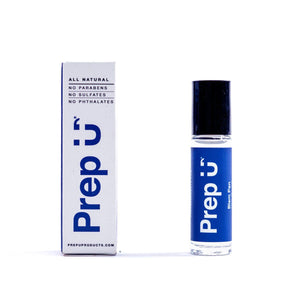
An evening shower is one of the highest-impact hygiene steps for teen boys because it removes the accumulated sweat, bacteria, and oil from a full day before any of it sits on skin overnight. During puberty, sebaceous glands — the oil-producing glands in skin — are highly active, making the overnight period especially important for skin to breathe on a clean surface. Prep U's Unscented Charcoal Bar Soap, rated 100% SkinSAFE, is an easy daily reset gentle enough for sensitive skin. For boys who deal with oiliness or buildup on their back, chest, or shoulders, using Prep U's Exfoliating Charcoal Face & Body Scrub two or three evenings per week provides deeper pore clearing — activated charcoal binds to impurities and rinses them away. After showering, the Blem Pen Serum can be applied directly on any visible spots as a targeted finishing step. Finish with two minutes of brushing and flossing.
Step 4 — Screen-free wind-down in the hour before bed
Screens close to bedtime are one of the most consistent disruptors of teen sleep quality. The blue light from phones and tablets suppresses melatonin — the hormone that regulates the sleep-wake cycle — making it harder for teen boys to fall asleep and reducing the quality of deep sleep even when they do. The American Academy of Pediatrics recommends that teens avoid screens in the 30 to 60 minutes before bedtime and charge devices outside the bedroom overnight. Replacing the late-night scroll with something lower-stimulation — an audiobook, a podcast, reading, or dimmed lights and a quiet conversation — helps the nervous system make the genuine transition from alert to tired. Boys who resist screen curfews often come around when they notice they're less groggy in the morning. The improvement is biological, not psychological, and it's measurable within a week of consistent implementation.
Step 5 — A consistent lights-out: why bedtime matters more than the exact hour
Teen boys need between 8 and 10 hours of sleep per night according to the American Academy of Sleep Medicine — significantly more than adults, and more than most teen boys actually get. Growth hormone is released during the deepest stages of sleep (slow-wave sleep), which means chronically short sleep directly limits physical development and recovery in ways that matter during the teen years. What matters most isn't hitting a perfect number — it's consistency. A predictable lights-out time, even within a 30-minute window, trains the body's circadian rhythm (internal clock) to begin winding down at the right time each night. Phones charging outside the bedroom is the single most effective structural change most families can make — removing the device removes the temptation, and most teens adapt faster than parents expect.
How much sleep do teen boys actually need?
The American Academy of Sleep Medicine recommends 8 to 10 hours of sleep per night for teenagers ages 13–18, and the American Academy of Pediatrics endorses this range. Younger boys in early puberty (ages 10–12) may need closer to 9 to 11 hours. Despite these recommendations, studies from the National Sleep Foundation consistently show that most teen boys average 6 to 7 hours — a significant shortfall that compounds across the school week. The downstream effects of chronic short sleep in teens include increased irritability, difficulty concentrating, impaired athletic performance, more frequent illness, and higher cortisol levels — which drive oil production and can worsen skin congestion. Building the evening routine around a realistic, consistent bedtime addresses the sleep problem at its source rather than managing symptoms after the fact.
Evening self-care doesn't need to be elaborate. A nourishing dinner, a little movement, a thorough shower, a genuine wind-down off screens, and a consistent bedtime add up to the nightly reset that keeps your son healthier, clearer-skinned, and more focused than he'd be without it. Pair the evening routine with morning and afternoon habits, and the whole day comes together on its own.
Last reviewed June 2026 by the Prep U team.
*Information on this site is intended for educational and informational purposes only. Any information on this site is not intended to make claims to any unique individual and/or experience.
For more, see our guide to the teen face wash routine.