
Is It Acne or Something Else? A Mom’s Guide to Problem-Solving Teen Skin
Quick Answer
Not every bump on a teen's skin is acne. Skin irritation from harsh products, allergic reactions, and sports-related folliculitis are all commonly mistaken for acne but require different approaches — here's how to tell them apart.
Not every bump on a teen's skin is acne. Skin irritation from harsh products, allergic reactions, and sports-related folliculitis (inflamed hair follicles from sweat and friction) are all commonly mistaken for acne but require different approaches — here's how to tell them apart.
If you parent a teen, you know the drill: one morning your son wakes up with a mysterious red bump (or three), and suddenly everyone assumes it's acne. But teen skin is complicated, and not every breakout is actually acne. As a mom and the founder of Prep U, I've played skin detective at home more times than I can count. Here's how to decode what's really going on so you can help your son feel confident and cared for, whatever is happening on the surface.
What Causes Teen Acne Specifically?
True acne forms through a specific sequence: androgens (male hormones surging during puberty) stimulate the sebaceous glands to produce excess sebum (skin oil). That extra sebum, combined with dead skin cells, clogs hair follicles. The bacteria Cutibacterium acnes — which lives normally on skin — proliferates inside the clogged follicle, triggering inflammation. The result is the familiar range of acne lesions: blackheads (open comedones, where the clogged pore is exposed to air and oxidizes), whiteheads (closed comedones), papules (red bumps without pus), and pustules (bumps with visible pus). Timing is a key signal: acne tends to develop gradually and worsen during predictable hormonal milestones, and it typically clusters in oil-rich zones — the forehead, nose, chin, and for teen boys, frequently the back and chest.
How to Tell Teen Acne From Other Skin Issues
Several conditions commonly get labeled as acne but require different approaches. Skin irritation from harsh soaps, synthetic fragrance, or rough fabrics tends to appear as redness, stinging, or flaking — specifically correlated with product use or contact, and it usually improves within a day or two of removing the trigger. Allergic contact dermatitis (a reaction to a new product, laundry detergent, or fabric) typically appears quickly as hives, swelling, or a sudden widespread rash with itching — faster onset and less targeted than typical acne. Folliculitis — inflammation of hair follicles from sweat, friction, and bacteria — is common in teen athletes and appears as clusters of small, uniform red bumps in friction zones: the back, shoulders, buttocks, or inner thighs. Unlike true acne, folliculitis bumps tend to be similar in size, grouped together, and may be mildly itchy rather than just painful.
Folliculitis in Teen Athletes: A Common Misdiagnosis
Folliculitis is worth its own section because it's so common in active teen boys and so regularly mistaken for acne. It occurs when hair follicles become inflamed — most often from a combination of sweat, friction from athletic gear, and bacteria (commonly Staphylococcus epidermidis, or Pseudomonas aeruginosa after pool or hot tub exposure). The bumps look similar to acne pustules but cluster in areas of friction, appear suddenly after activity, and can be slightly itchy. For mild cases, showering promptly after activity, using a thorough antibacterial cleanser on the affected area, and wearing loose-fitting moisture-wicking clothing during activity usually resolves it within a week or two. Persistent, spreading, or recurring folliculitis warrants a dermatologist visit to rule out a more significant infection.
A Simple, Gentle Skincare Routine for Everyday Breakouts
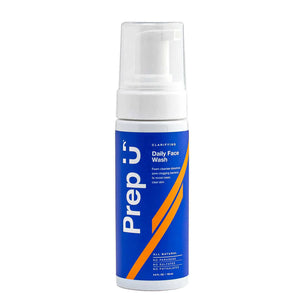
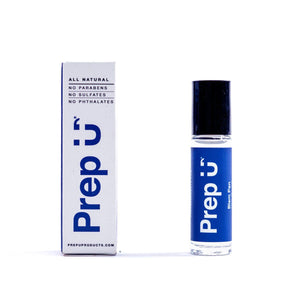
The fix for most everyday teen breakouts is gentler than parents expect. Start with twice-daily cleansing using a plant-based, foaming face wash — Prep U's Daily Foaming Face Wash removes oil and bacteria without stripping the skin's moisture barrier. Skip harsh scrubs and alcohol-heavy toners on already-irritated skin. For active spots, apply Prep U's Blem Pen Serum directly to the blemish rather than overhauling the whole routine — targeted treatment without over-drying the surrounding skin. Once or twice a week, the Exfoliating Charcoal Face & Body Scrub clears accumulated dead skin cells and excess sebum from pores, especially helpful for active teens prone to body breakouts. Resist the urge to add more products or scrub more frequently — more contact with skin products usually worsens irritation rather than helping it resolve.
Ingredients to Avoid on Sensitive Teen Skin
Many breakouts and red patches trace directly to what's in the bottle. The most common culprits are synthetic fragrance (listed as "fragrance" or "parfum" — a single term that can represent hundreds of synthetic chemicals, many of which are documented irritants), sodium lauryl sulfate (SLS), parabens, artificial dyes, and alcohol-based toners. For teens whose skin flares with a new product or after a laundry detergent change, running through recent additions and eliminating them one at a time often identifies the trigger. Switching to products with short, readable ingredient lists — with fragrance from named essential oils rather than the catch-all "fragrance" label — removes the most common sources of skin irritation.
When to See a Dermatologist About Teen Skin
Most everyday teen breakouts respond well to a consistent, gentle routine and don't require professional intervention. Situations worth a dermatologist visit include: severe or painful cystic acne (deep, hard nodules that go beyond the skin's surface), persistent acne that doesn't improve after 8–12 weeks of a consistent gentle routine, suspected folliculitis that's spreading or recurring, or any skin condition that looks significantly different from typical acne — particularly with unusual itching, scaling, or discoloration. Eczema, psoriasis, and rosacea can look superficially similar to acne and require specific treatment that over-the-counter cleansers won't address. A dermatologist can identify the correct condition far faster than trial-and-error at home, and can recommend prescription options when appropriate.
In our house we've seen all of it: acne, irritation from trendy products, and the occasional mystery rash. What's worked best is sticking to a simple, gentle routine and remembering that the goal was never perfect, poreless skin — it's helping your son feel comfortable and confident, whatever shows up that week. With a little patience, the right products, and a bit of detective work, healthy skin is absolutely within reach.
Last reviewed June 2026 by the Prep U team.
*Information on this site is intended for educational and informational purposes only. Any information on this site is not intended to make claims to any unique individual and/or experience.
For more, see our guide to the face wash for teen acne.